
El Niño 2026: Understanding the Predictions and Preparing for Global Impact
Climate patterns have always dictated the rhythm of life on Earth, from the success of harvests to the intensity of storm seasons. As we look toward the future, El Niño 2026 has become a focal point for meteorologists and environmental scientists worldwide. But what exactly is El Niño, and why should we be concerned about its potential return in 2026?
What is El Niño and Why Does it Matter?
El Niño is a complex weather pattern characterized by the unusual warming of surface waters in the eastern tropical Pacific Ocean. This shift in ocean temperature disrupts the atmosphere, altering weather patterns across the globe. While it is a natural occurrence, its intersection with modern global warming makes its effects more unpredictable and severe.
According to the National Oceanic and Atmospheric Administration (NOAA), these shifts can lead to extreme weather events that impact everything from global food security to public health.
El Niño 2026: The Expert Forecast
Predicting climate events years in advance is challenging, but current models suggest that the cyclical nature of the ENSO (El Niño-Southern Oscillation) could lead to another significant event around 2026. If the patterns hold, we can expect a ripple effect across several continents:
- n
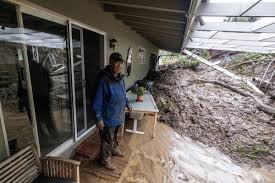
- The Americas: Potential for increased rainfall and flooding in the Southern US and South America, while other regions may face severe droughts.
- Asia and Oceania: A higher risk of dry conditions, leading to wildfires and agricultural challenges in Australia and Indonesia.
- Global Temperatures: El Niño years typically coincide with a spike in global average temperatures, potentially making 2026 one of the hottest years on record.
How El Niño 2026 Could Affect the Global Economy
Climate instability isn’t just an environmental issue; it’s an economic one. The potential for El Niño 2026 to disrupt weather patterns means significant risks for various sectors:
1. Agriculture and Food Prices
Unexpected droughts or floods can devastate crop yields. When major producers of soy, corn, or coffee are hit, global food prices often surge, affecting consumers worldwide.
2. Energy Demand
Extreme heatwaves or unexpectedly harsh winters (depending on the region) drive up the demand for cooling and heating, putting pressure on power grids and increasing energy costs.
3. Insurance and Infrastructure
An increase in natural disasters leads to higher insurance premiums and the need for urgent investments in resilient infrastructure to withstand flooding and storms.
Proactive Steps: How to Prepare
While we cannot stop a climate phenomenon, we can mitigate its effects. To stay ahead of El Niño 2026, consider the following strategies:
- For Homeowners: Review your home insurance policies and invest in weather-proofing your property against potential floods or extreme heat.
- For Businesses: Diversify supply chains to avoid reliance on a single geographic region that may be vulnerable to climate shocks.
- For the Community: Support local sustainability initiatives and stay informed via high-authority sources like NASA’s Climate Portal.
Final Thoughts
The prospect of El Niño 2026 serves as a reminder of our planet’s fragility and the importance of climate resilience. By understanding the science and planning ahead, we can reduce the impact of these natural cycles on our lives and economy. Stay tuned to meteorological updates and prioritize sustainability today to ensure a safer tomorrow.



