
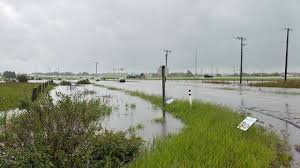
Edmonton Flooding: How to Protect Your Home and Stay Safe
Living in the heart of Alberta means appreciating the stunning beauty of the North Saskatchewan River valley. However, for many residents, this beauty comes with a recurring concern: edmonton flooding. Whether it is caused by rapid spring snowmelt or sudden, intense summer rainstorms, flooding can turn a peaceful neighbourhood into a disaster zone in a matter of hours.
Being prepared is the difference between a minor inconvenience and a total household catastrophe. In this guide, we will explore how to safeguard your property, what to do when the water rises, and where to find official support.
Understanding the Risks of Flooding in Edmonton
Edmonton’s geography makes it susceptible to different types of flood events. From riverbank erosion to overwhelmed storm drains in urban areas, the risks vary depending on your location. Basement flooding is particularly common in older neighbourhoods where drainage systems may not be equipped for modern extreme weather patterns.
Proactive Steps to Prevent Basement Flooding
You don’t have to wait for the rain to start to take action. Implementing these preventive measures can significantly reduce the risk of water damage to your home:
- n
- Maintain Your Sump Pump: Ensure your sump pump is functioning correctly and consider installing a battery backup system to keep it running during power outages.
- Clean Your Gutters and Downspouts: Debris-clogged gutters can cause water to overflow and pool around your foundation, leading to seepage.
- Regrade Your Yard: Ensure the ground slopes away from your home’s foundation to direct rainwater toward the street or a drainage ditch.
- Install Backwater Valves: These one-way valves prevent sewage from flowing back into your home during heavy rainfall events.
What to Do During an Active Flooding Event
If you find yourself in the middle of edmonton flooding, safety must be your primary concern. Follow these critical steps:
- Prioritize Electrical Safety: If it is safe to do so, turn off the electricity at the main breaker. Never enter a flooded basement if the power is still on.
- Move Valuables Upward: Quickly move electronics, important documents, and heirlooms to the upper floors of your home.
- Stay Informed: Monitor local news and the City of Edmonton official website for emergency alerts and evacuation orders.
- Avoid Floodwaters: Do not walk or drive through floodwaters. As little as six inches of moving water can knock you off your feet, and deeper water can sweep away vehicles.
Recovering After the Water Recedes
The aftermath of a flood is often the most challenging part. To ensure your home is safe for re-entry and habitation, keep these tips in mind:
- n
- Document Everything: Take detailed photos and videos of the damage before you start cleaning. This is essential for insurance claims.
- Professional Drying: Use industrial dehumidifiers and fans to remove moisture. Mold can begin to grow within 24 to 48 hours.
- Sanitize Thoroughly: Floodwater often contains contaminants. Use professional-grade cleaners to sanitize all affected surfaces.
- Consult Experts: Have a licensed electrician and plumber inspect your systems before turning the power and water back on.
Essential Resources for Edmonton Residents
For real-time updates and professional assistance, we recommend visiting these high-authority resources:
- n
- City of Edmonton: For local alerts and infrastructure reports.
- Alberta Emergency Management Agency: For province-wide disaster response and recovery information (Alberta Emergency Management).
- Insurance Alberta: Contact your provider immediately to understand your flood coverage and start the claims process.
By staying informed and taking proactive measures, you can protect your home and your family from the unpredictable nature of edmonton flooding. Stay safe, stay prepared, and keep your community resilient.



