
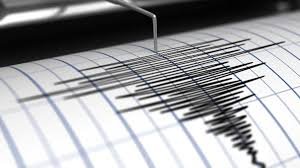
Earthquake Safety and Preparedness: A Comprehensive Guide for Canadians
While Canada is not as seismically active as some other regions of the world, earthquakes (often referred to as tremblement de terre in French-speaking regions) are a real geological reality here. From the coast of British Columbia to the St. Lawrence Valley in Quebec, understanding the risks and knowing how to react can make all the difference in ensuring your safety and that of your loved ones.
What Exactly is an Earthquake?
An earthquake occurs when there is a sudden release of energy in the Earth’s crust that creates seismic waves. This usually happens when tectonic plates slide past one another or break under pressure. While most are too small to be felt, larger events can cause significant structural damage and disrupt infrastructure.
Seismic Risk in Canada: Where are the Danger Zones?
Canada’s seismic risk is varied. The most active areas include:
- British Columbia: Particularly the coast, where the Pacific Plate interacts with the North American Plate.
- The St. Lawrence Valley: An area of moderate risk affecting parts of Quebec and Ontario.
- The Canadian Prairies: Occasionally experiencing induced seismicity related to industrial activities.
What to Do During an Earthquake: The Golden Rule
If you feel the ground shake, the most important thing is to remain calm and act quickly. Experts recommend the “Drop, Cover, and Hold On” technique:
- DROP down onto your hands and knees. This position protects you from being knocked over and allows you to stay low.
- COVER your head and neck with your arms. If a sturdy table or desk is nearby, crawl underneath it for shelter.
- HOLD ON to your shelter until the shaking stops. If you don’t have shelter, stay low and cover your head with your arms.
Pro Tip: Avoid running outside during the shaking, as falling debris from building facades is one of the most common causes of injury.
Building Your Earthquake Emergency Kit
Preparation is the key to resilience. In the event of a major seismic event, utility services may be interrupted. We recommend having a kit ready with the following items:
- Water: At least 4 litres per person per day for 72 hours.
- Non-perishable Food: Canned goods, energy bars, and a manual can opener.
- First Aid Kit: Bandages, antiseptic, and a supply of essential medications.
- Lighting: A flashlight with extra batteries or a hand-crank torch.
- Communication: A battery-powered or hand-crank radio to receive official updates.
- Personal Documents: Copies of IDs and insurance policies in a waterproof bag.
Staying Informed and Prepared
The best way to mitigate risk is to stay informed through official channels. For real-time data and seismic maps, we highly recommend visiting the Natural Resources Canada (NRCan) website, which provides comprehensive monitoring of seismic activity across the country.
Additionally, for global seismic trends and scientific research, the U.S. Geological Survey (USGS) offers world-class resources that help us understand the mechanics of these natural events.
Final Thoughts
You cannot prevent an earthquake, but you can prevent the panic that follows. By securing heavy furniture to walls, preparing an emergency kit, and practicing the “Drop, Cover, and Hold On” method, you are taking proactive steps to protect your future. Stay safe, Canada!



