
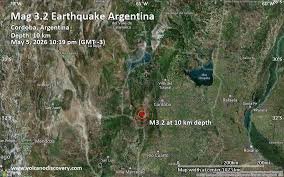
Did You Just Feel a Tremor? Here is How to Find an Earthquake Near You
That sudden jolt or subtle sway can be unsettling. When the ground shakes, the first thing most people do is reach for their phones and search for “earthquake near me”. In those moments, getting accurate, real-time information is crucial for your safety and peace of mind.
Whether you are living in a high-risk seismic zone or experienced a rare tremor, knowing how to track seismic activity and how to react can make all the difference. In this guide, we will show you the best tools to monitor earthquakes and the essential steps to stay safe.
Best Tools to Track Real-Time Seismic Activity
When you need to know if an earthquake occurred in your immediate vicinity, relying on official scientific data is the safest bet. Here are the most reliable resources:
- n
- USGS (United States Geological Survey): The gold standard for seismic monitoring. The USGS Earthquake Map provides near-instant updates on magnitude, depth, and location globally.
- Google Earthquake Alerts: Android users often receive automatic alerts based on crowdsourced data from phone accelerometers, providing a rapid warning system before official reports are even published.
- EMSC (European-Mediterranean Seismological Centre): An excellent resource for those located outside North America, offering community-driven data and professional analysis.
Understanding the Data: What Do the Numbers Mean?
When you find a report of an earthquake near you, you will see a few technical terms. Here is a quick breakdown to help you understand the risk:
Magnitude vs. Intensity
Magnitude measures the energy released at the source of the earthquake (the hypocenter). The Intensity describes how much shaking is actually felt at a specific location. This is why a magnitude 5.0 earthquake might feel like a disaster in one town but barely be noticed in another.
The Epicenter
The epicenter is the point on the Earth’s surface directly above where the earthquake started. The closer you are to the epicenter, the more intense the shaking usually is.
Immediate Safety: What to Do During an Earthquake
If you are searching for an “earthquake near me” because you are currently experiencing shaking, stop searching and act immediately. Experts recommend the “Drop, Cover, and Hold On” protocol:
- DROP down onto your hands and knees. This protects you from being knocked over.
- COVER your head and neck under a sturdy table or desk. If no shelter is nearby, crawl next to an interior wall.
- HOLD ON to your shelter until the shaking stops.
For more detailed preparedness plans, we highly recommend visiting Ready.gov, the official US government site for emergency disaster preparedness.
Post-Earthquake Checklist
Once the shaking stops, the danger isn’t always over. Follow these steps to ensure your environment is safe:
- Check for Gas Leaks: If you smell gas, turn off the main valve immediately.
- Inspect for Structural Damage: Look for large cracks in walls or ceilings before moving through the house.
- Stay Informed: Keep your radio or phone active for official instructions from local authorities.
- Be Ready for Aftershocks: Smaller earthquakes often follow the main event. Be prepared to “Drop, Cover, and Hold On” again.
Staying informed is your best defense. By knowing where to find reliable data and how to react, you can protect yourself and your loved ones from the unpredictability of nature.



