
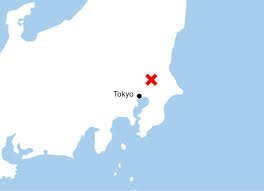
Earthquake in Japan: Everything You Need to Know About Seismic Safety and Preparedness
Japan is globally recognized as one of the most seismically active regions on Earth. For those living in or visiting the Land of the Rising Sun, understanding the nature of an earthquake in Japan is not just a matter of curiosity—it is a necessity for survival. From futuristic skyscrapers that sway to withstand shocks to a culture of rigorous preparedness, Japan provides a masterclass in disaster resilience.
Why Japan is Prone to Frequent Earthquakes
The primary reason for the frequent seismic activity is Japan’s geographical location. The archipelago sits atop the intersection of four major tectonic plates: the Pacific Plate, the Philippine Sea Plate, the Eurasian Plate, and the North American Plate.
This volatile intersection is part of the “Pacific Ring of Fire,” a horseshoe-shaped zone where a vast majority of the world’s earthquakes and volcanic eruptions occur. When these plates shift or collide, they release massive amounts of energy, resulting in the tremors that characterize the region.
Cutting-Edge Technology: The Early Warning System
Japan has invested billions into developing the most sophisticated earthquake early warning system in the world. Managed by the Japan Meteorological Agency (JMA), this system can detect the initial “P-waves” (fast-moving but less destructive waves) and send alerts to millions of smartphones seconds before the more damaging “S-waves” arrive.
These precious seconds allow people to:
- n
- Stop trains: Shinkansen (bullet trains) automatically brake to prevent derailment.
- Secure machinery: Factories can shut down dangerous equipment.
- Seek cover: Individuals can move away from glass windows or heavy furniture.
n
n
n
Essential Safety Tips: What to Do During an Earthquake
Knowing how to react during an earthquake in Japan can make a life-saving difference. Experts recommend the following protocol:
1. Drop, Cover, and Hold On
If you are indoors, drop to your hands and knees. Cover your head and neck under a sturdy table or desk and hold on until the shaking stops.
2. Stay Away from Glass and Heavy Objects
Avoid windows, mirrors, and tall bookshelves that could collapse or shatter during the tremor.
3. Move to Open Ground if Outdoors
If you are outside, move away from buildings, power lines, and vending machines, which are common in Japanese cities and can tip over.
4. Tsunami Awareness
If you are near the coast and feel a strong quake, do not wait for an official warning. Move immediately to higher ground or a designated tsunami evacuation building.
Preparing Your Emergency Kit
Preparation is the cornerstone of Japanese safety culture. Whether you are a resident or a tourist, having a basic emergency kit is highly recommended. Essential items include:
- n
- Water and Non-perishable Food: At least a 3-day supply.
- First Aid Kit: Including essential medications.
- Portable Power Bank: To keep communication lines open.
- Flashlight and Batteries: For power outages.
- Portable Radio: To receive official updates from the government.
n
n
n
n
n
Conclusion
While the prospect of an earthquake can be daunting, Japan’s combination of advanced engineering, rapid alert systems, and public education minimizes the risks. By staying informed and following safety protocols, you can navigate this beautiful country with confidence and peace of mind.
For real-time global seismic data and detailed technical reports, you can visit the United States Geological Survey (USGS).



