
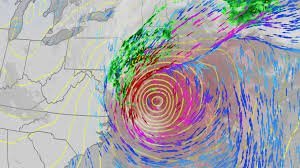
Powerful Early-Season Nor’easter Lashes the US East Coast: Coastal Flooding and High Winds
The US East Coast is currently grappling with a relentless early-season weather storm. A powerful nor’easter is hammering the coastline from North Carolina all the way to New England, bringing a dangerous combination of major coastal flooding, destructive winds, and heavy rainfall. From the streets of Boston to the tri-state area of New York City, millions are feeling the impact of this atmospheric onslaught.
The Peak of the Fury: Coastal Flooding and the Full Moon Effect
One of the most critical aspects of this particular storm is the timing. The nor’easter’s peak coincided with a full moon, a celestial event that significantly exacerbates the threat of coastal inundation. Because the moon’s gravitational pull is stronger during a full moon, high tides are pushed even higher than usual.
The National Weather Service (NWS) has issued major flooding warnings for several key areas, including:
- n
- The Jersey Shore: Expecting significant water intrusion.
- North Carolina’s Outer Banks: Where ocean overwash has already forced the closure of Highway 12.
- Virginia Tidewater & Chesapeake Bay: Water levels are projected to be 2-4 feet higher than normal.
- New England Coasts: Including Cape Cod, Martha’s Vineyard, and Nantucket.
Destructive Winds and Power Outages
It’s not just the water causing chaos. This weather storm has brought fierce wind gusts, some clocking in at over 50 to 60 mph. These winds have proven devastating to local infrastructure, especially in Massachusetts, Rhode Island, and Connecticut.
The impact has been immediate: downed trees, snapped power lines, and widespread electricity outages affecting tens of thousands of residents. Because the ground is saturated from rain and many trees still retain their leaves, they are more susceptible to being uprooted by the strong gusts.
Understanding the Science: What Exactly is a Nor’easter?
Many people associate nor’easters exclusively with winter blizzards, but this early-season event proves otherwise. Simply put, a nor’easter is a storm where the winds blow from the northeast. This usually occurs when a low-pressure system forms off the coast, drawing in moist air from the ocean.
While late-autumn and winter nor’easters often clash with freezing air to produce heavy snow, this current storm is occurring too early for ice. Consequently, instead of snow, the region is seeing prolonged periods of rainfall, which increases the risk of urban flooding in traditional trouble spots.
Travel Tips and Safety Precautions
If you are traveling through the Northeast or live in a coastal zone, caution is paramount. With beach erosion reaching extreme levels and roads closing due to overwash, the following tips are essential:
- n
- Avoid Coastal Roads: Stay away from low-lying areas and beaches during high tide.
- Prepare for Outages: Keep flashlights, batteries, and portable chargers ready.
- Stay Informed: Monitor updates from NOAA for real-time weather alerts.
- Check Travel Alerts: Be aware that events (like the recently canceled Oceans Calling festival) and roads may be shut down without notice.
While the most intense winds may subside by Sunday, the threat of modest flooding and localized rain will linger into Monday. Stay safe, stay dry, and keep a close eye on the forecast.



