Dust Storm Warning: How to Stay Safe and Prepared
Dust Storm Warning: Everything You Need to Know to Stay Safe
Imagine driving down a highway when suddenly, the horizon disappears, replaced by a towering wall of reddish-brown sand and grit. This is the reality of a dust storm, and when a dust storm warning is issued, every second counts. Whether you call it a haboob or a sandstorm, these weather events can turn a normal day into a dangerous situation in minutes.
What Exactly is a Dust Storm Warning?
A dust storm warning is an official alert issued by meteorological services when a significant dust storm is imminent or already occurring. Unlike a “watch,” which means conditions are favorable for a storm to develop, a warning means the event is happening or about to happen in your immediate area.
These storms are characterized by strong winds that lift large amounts of sand and dirt from dry soil, creating a dense cloud that severely reduces visibility—sometimes to zero.
Essential Safety Tips: What to Do During a Dust Storm
When you see a dust storm warning on your phone or TV, your primary goal should be to minimize exposure. Here are the best practices to keep you and your family safe:
- n
- Stay Indoors: If you are at home, stay inside. Close all windows and doors to prevent fine dust particles from entering your living space.
- Seal the Gaps: Use damp towels at the base of doors if you notice dust leaking through.
- Air Filtration: Run your air conditioner on the “recirculate” setting to avoid pulling dusty outside air into your home.
- Protect Your Lungs: If you must go outside, wear a mask (like an N95) or a damp cloth over your nose and mouth to avoid inhaling harmful particulates.
Driving in a Dust Storm: “Pull Aside, Stay Alive”
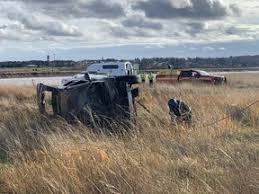
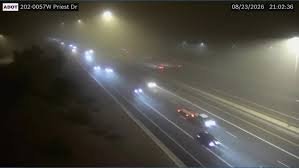
The most dangerous place to be during a dust storm is behind the wheel. Zero-visibility conditions often lead to multi-car pileups. If you find yourself caught in a storm while driving, follow these critical steps:
- Pull Over Immediately: Get your vehicle completely off the road and away from traffic lanes.
- Turn Off All Lights: This is counterintuitive, but turn off your headlights and taillights. Other drivers may follow your lights, thinking you are still moving in the lane, leading them to crash into your stationary car.
- Set the Emergency Brake: Ensure your car doesn’t roll.
- Wait it Out: Stay inside your vehicle until visibility improves significantly.
Health Impacts of Dust Storms
Dust storms aren’t just a visibility hazard; they are a health risk. The fine particles can trigger asthma attacks, irritate the sinuses, and cause respiratory distress. For those with pre-existing conditions, monitoring the Air Quality Index (AQI) is essential during these events.
Where to Get Reliable Updates
To ensure you are getting real-time, accurate information, always rely on official government sources. We recommend following the National Weather Service (NWS) and the National Oceanic and Atmospheric Administration (NOAA) for the latest alerts and forecasts.
Stay vigilant, stay informed, and always prioritize safety when a dust storm warning hits your area.
📰 You May Also Like