Donald Trump and the Iran War: US Military Escalation and Diplomatic Breakdown
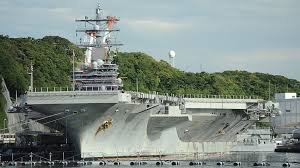
Tensions Reach Boiling Point: Is a Full-Scale Donald Trump Iran War Imminent?
The geopolitical landscape of the Middle East is shifting rapidly, and the world is watching closely. Recent reports indicate a significant escalation in military presence and a stark decline in diplomatic efforts, raising urgent questions about the possibility of a broader Donald Trump Iran war.
The Naval Surge: Three Carriers in the Region
In a move that signals a high state of readiness, the USS Theodore Roosevelt is expected to join two other US aircraft carriers in the Middle East. This strategic deployment brings the total American carrier presence in the region to three, creating a massive projection of naval power.
While the US Central Command (CENTCOM) has not officially confirmed the specific timeline, the move follows a volatile period of hostilities. This buildup is widely seen as a deterrent—or a preparation—amidst a backdrop of increasing aggression.
Drone Attacks and the End of the Lull
The relative calm of the past two months has been shattered. Iran has recently launched a series of drone attacks against Bahrain, marking the second such strike in just three days. This surge in aggression follows an incident last Friday where US forces successfully intercepted two Iranian drones targeting the Gulf nation.
These actions suggest that the “lull” in hostilities has ended, potentially pushing the region toward a more direct and violent confrontation.
Diplomacy in Shambles: Trump’s Hardline Stance
Perhaps the most alarming signal comes from the White House. In a dramatic shift in strategy, President Donald Trump has removed Vice President JD Vance from peace negotiations with Tehran. Taking to social media, Trump declared that Washington no longer requires an agreement with the Iranian government.
This diplomatic breakdown occurs during an ongoing cycle of conflict that intensified following coordinated US-Israeli strikes in late February. According to reports from The New York Times, the removal of key negotiators suggests that the US may be pivoting away from diplomacy and toward a more assertive military posture.
What Happens Next?
Despite the deployment of naval assets, the US military has officially dismissed some reports claiming a planned resumption of active operations against Iran as “pure speculation.” However, the combination of naval buildup, failed diplomacy, and repeated drone strikes creates a volatile atmosphere.
- n
- Military Readiness: Three aircraft carriers provide unprecedented air superiority.
- Diplomatic Void: The absence of peace talks increases the risk of miscalculation.
- Regional Instability: Attacks on Bahrain signal a willingness to target Gulf allies.
As the situation evolves, the possibility of a direct Iran war remains a critical concern for global stability and energy markets. Whether this is a strategy of “maximum pressure” or a prelude to conflict remains to be seen.
📰 You May Also Like