Dollar General Lawsuit: Are You Being Overcharged? Everything You Need to Know
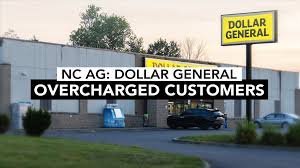
The Legal Battle Over Deceptive Pricing at Dollar General
Shopping for bargains is supposed to save you money, but for millions of customers, a trip to Dollar General may have cost them more than they realized. In a sweeping legal move, North Carolina Attorney General Jeff Jackson has joined the Federal Trade Commission (FTC) and 19 other states in a federal lawsuit against the retail giant.
The core of the accusation? Deceptive pricing practices. The lawsuit alleges that Dollar General systematically overcharged consumers by charging higher prices at the register than those advertised on shelf tags and promotional materials.
How the “Price Rip-Off” Works
According to Attorney General Jeff Jackson, this wasn’t a series of random glitches but a routine occurrence. During a recent press conference, Jackson was blunt about the company’s actions: “We’re suing Dollar General because they’re ripping people off, and they know it.”
The lawsuit details a pattern where the company allegedly ignored repeated warnings and failed state inspections. Despite being told to rectify these discrepancies, the chain continued to implement pricing that misled budget-conscious shoppers.
Shocking Evidence from North Carolina
North Carolina, which hosts over 1,000 Dollar General locations, provided some of the most damning evidence in the 95-page filing. State inspectors discovered:
- n
- 400 pricing inaccuracies found across just 10 store locations.
- A total of 28 inspections conducted over a two-year period.
- Recent fines imposed by the NC Department of Agriculture for price-scanning errors.
Dollar General’s Defense: “Nothing Could Be Further From the Truth”
In response to the allegations, Dollar General has denied any willful intent to deceive its customers. The company issued a statement claiming they have already enhanced their price-accuracy processes and remain committed to continuous improvement.
The company expressed surprise at the decision to file a lawsuit, noting that they had been cooperating with the Federal Trade Commission (FTC) and had even presented a counteroffer to a monetary demand from the agency.
What This Means for Consumers
This lawsuit is more than just a corporate dispute; it is a fight for consumer protection. The plaintiffs are seeking three primary outcomes:
- An immediate halt to the deceptive pricing practices.
- Civil penalties to punish the company for systemic failures.
- Restitution (money back) for the impacted customers who were overcharged.
As the case moves forward, it serves as a reminder for shoppers to double-check their receipts. If you shop at bargain chains, staying vigilant about the final price at the register is the best way to ensure you’re getting the deal you were promised.
📰 You May Also Like