
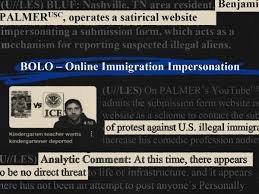
DHS BOLO Ben Palmer: When Satire Triggers a Federal Alert
In the world of stand-up comedy, getting a reaction from the audience is the goal. But for Nashville-based comedian Ben Palmer, the reaction came from the highest levels of federal law enforcement. The Department of Homeland Security (DHS) recently circulated a “Be on the Lookout” (BOLO) alert targeting Palmer, not for a crime, but for a piece of viral satire.
The Prank That Went Too Far for the DHS
Ben Palmer gained millions of views on TikTok and YouTube by creating a parody website designed to look like an official portal for reporting undocumented immigrants to U.S. Immigration and Customs Enforcement (ICE). The site acted as a mirror, revealing the biases of those who used it to report others on spurious grounds.
While the website included a privacy policy explicitly stating the site was for parody, the DHS Nashville field office didn’t find it nearly as funny. In February, they issued a BOLO alert titled “online immigration impersonation,” which was subsequently distributed to various law enforcement agencies, including the Illinois State Police.
What Exactly is a BOLO?
A “Be on the Lookout” (BOLO) alert is typically a tool used by law enforcement to warn officers about dangerous individuals, suspects in violent crimes, or immediate threats to public safety. According to retired ICE director Darius Reeves, these alerts usually contain warnings like “armed and dangerous.”
In Palmer’s case, the BOLO was unusual because the DHS explicitly acknowledged that the comedian did not pose a danger to life or infrastructure. This discrepancy has raised eyebrows among civil liberties advocates, questioning why a non-threatening satirist was placed on a law enforcement watchlist.
Satire vs. Government Surveillance
The DHS claims the memo was shared for “awareness purposes only,” arguing that law enforcement and civilians should be aware of individuals impersonating federal agencies. However, this explanation leaves several questions unanswered:
- n
- Why use a BOLO system for a non-violent parody?
- How does an internal law enforcement memo make “civilians” aware of a fake website?
- Where is the line between protected speech and illegal impersonation?
For Palmer, the alert is almost a badge of honor. “In my line of work I always look at these things as more like certificates,” he remarked, though he admitted a slight concern that government monitoring could escalate into legal action.
A Pattern of Targeting Free Speech
This incident is not an isolated case. The American Civil Liberties Union (ACLU) has noted a troubling pattern of the DHS targeting private citizens who criticize or satirize immigration enforcement. Other examples include:
- n
- Rob Potylo: A musician and comedian detained while wearing a giraffe costume during a protest in Minneapolis.
- Jake Flores: A comedian whose home was visited by DHS agents following satirical tweets about ICE.
Esha Bhandari of the ACLU suggests that such actions are intended to “scare people away from speaking out” against government agencies, creating a chilling effect on the First Amendment rights of U.S. citizens.
Conclusion: The Cost of a Laugh
The case of the DHS BOLO for Ben Palmer highlights the fragile tension between national security and the freedom of expression. While the government seeks to protect the integrity of its official channels, the use of law enforcement alerts to track comedians suggests a shift toward intimidation over investigation.
As Palmer looks to rally support from First Amendment attorneys, his story serves as a reminder that in the digital age, a viral joke can quickly turn into a federal file.



