
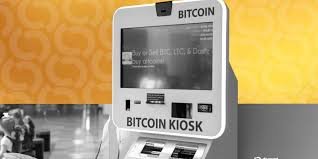
The Crackdown on Crypto Kiosks: Delaware’s Bold Move
In a significant shift toward tighter cryptocurrency regulation, Delaware lawmakers have voted to advance House Bill 441. This legislation seeks to implement a total ban on cryptocurrency kiosks across the state, framing the move as a critical step in consumer protection against what officials call “predatory” business practices.
While the digital asset market continues to grow, the physical infrastructure of the Bitcoin ATM has come under intense scrutiny. The goal of the proposed law is simple: to eliminate a gateway that lawmakers believe is designed more for exploitation than for legitimate investment.
Why the Push to Ban Bitcoin ATMs?
The primary driver behind the legislation is the staggering disparity in costs. Representative Cyndie Romer, Chair of the House Technology & Telecommunications Committee, pointed out that these kiosks often charge exorbitant fees that target the uninformed.
- n
- Crypto ATMs: Fees can soar up to 20% of the total transaction value.
- Online Exchanges: Typical fees range from only 0.4% to 1%.
According to Romer, there is no legitimate reason to support a business model that enables scammers to extort money from the most vulnerable populations, reducing digital currency to a “predatory cash grab.”
A Haven for Fraud and Exploitation
The danger of the Bitcoin ATM extends beyond high fees. Law enforcement agencies have highlighted a disturbing trend in cryptocurrency-enabled fraud. Data from the FBI’s Internet Crime Complaint Center (IC3) reveals a sharp increase in complaints involving crypto kiosks, with losses surging by 58% year-on-year.
Delaware Attorney General Kathy Jennings warned that while these machines may look like harmless gas station novelties, they are actually “tailor-made to defraud consumers.” This sentiment is echoed by the AARP, which notes that seniors are disproportionately targeted. Many elderly citizens are tricked into depositing their life savings into these kiosks under the guise of “protecting” their money or resolving fake emergencies.
A Growing National Trend in Regulation
Delaware is not alone in this fight. Across the United States, there is an accelerating crackdown on unregulated crypto kiosks. Since 2023, approximately 30 states have introduced legislation to regulate these machines, with states like Indiana, Tennessee, and Minnesota already implementing statewide bans.
What Happens Next?
House Bill 441 is now heading to the Delaware Senate. If the bill is signed into law, the impact will be immediate:
- Immediate Cessation: All existing cryptocurrency kiosks must stop operations the moment the law is enacted.
- Physical Removal: All machines must be physically removed from the state within 90 days.
As the global cryptocurrency market evolves, the focus is shifting from rapid expansion to sustainable and safe integration. For Delaware, that means closing the door on the physical kiosks to ensure a safer digital future for its citizens.



