
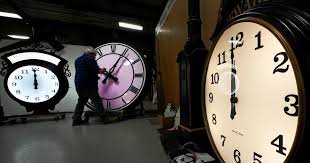
Mark your calendars! Daylight Saving Time (DST) 2026 begins on Sunday, March 8th, 2026. This means you’ll need to ‘spring forward’ and set your clocks ahead one hour at 2:00 AM local time. While seemingly a minor adjustment, understanding the history and potential future of Daylight Saving Time is becoming increasingly relevant.
A Brief History of Daylight Saving Time
The concept of Daylight Saving Time isn’t new. It originated with Benjamin Franklin in 1784, who suggested that Parisians could save candles by rising earlier and making better use of daylight. However, the modern implementation of DST is largely attributed to Germany and Austria-Hungary during World War I, as a way to conserve fuel. The United States followed suit in 1918, though it hasn’t been consistently observed since.
Throughout the 20th and 21st centuries, the dates for DST have been adjusted several times, often in response to energy crises or economic considerations. Currently, most of North America observes DST from the second Sunday in March to the first Sunday in November. You can find a comprehensive history of DST at Time and Date.
Why Do We Still Observe Daylight Saving Time?
The arguments for and against DST are ongoing. Proponents argue that it saves energy (though this is debated – see U.S. Department of Energy), boosts retail sales, and encourages outdoor activities. However, critics point to potential negative impacts on health, including sleep disruption and increased risk of heart attacks and strokes. There’s also the inconvenience of adjusting clocks twice a year.
The Future of Daylight Saving Time: Potential Changes
There’s growing momentum to abolish Daylight Saving Time. Several U.S. states have passed legislation to make DST permanent, but federal approval is required for these changes to take effect. The Sunshine Protection Trust Act, for example, aims to make DST permanent across the United States. The debate continues, and the future of DST remains uncertain.
For now, remember to set your clocks forward on March 8th, 2026, and be prepared for a slightly shorter night’s sleep. Stay informed about potential changes to DST by following news from reputable sources like CTV News.



