
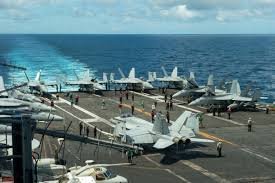
The High-Stakes World of Naval Aviation: The USS Eisenhower Incident
Operating a flight deck on an aircraft carrier is often described as one of the most dangerous jobs in the world. Recently, the aircraft recovery mishap on the USS Eisenhower served as a stark reminder of the thin margin for error that exists during naval flight operations. When aircraft return from missions, the process of “recovery” is a choreographed dance of precision, power, and extreme risk.
What Exactly is an Aircraft Recovery Mishap?
In naval terms, a recovery mishap occurs when an aircraft fails to land safely on the flight deck. This can range from a “bolter” (where the aircraft misses the arresting wires and must take off again) to more severe accidents involving structural damage or personnel injury. The USS Eisenhower, a cornerstone of US naval power, operates under intense conditions where wind, weather, and mechanical failure can converge in seconds.
The Complexity of Carrier Landings
To understand why an aircraft recovery mishap happens, one must understand the complexity of the landing process. Pilots aren’t just landing a plane; they are essentially performing a controlled crash onto a moving strip of steel. Key factors include:
- n
- The Arresting Gear: A system of high-tension cables designed to stop a jet traveling at over 150 mph in just a few hundred feet.
- The LSO (Landing Signal Officer): The “eyes’ on the deck who provide real-time corrections to the pilot.
- Environmental Variables: Wind gusts and the pitch and roll of the ship can drastically change the landing profile.
Safety Protocols and the Path to Recovery
Following any mishap on a vessel like the US Navy’s carriers, a rigorous investigation is launched. The goal is not just to assign blame, but to prevent future occurrences. This process involves analyzing flight data recorders, reviewing deck footage, and interviewing crew members to identify if the cause was mechanical failure or human error.
The resilience of the crew on the USS Eisenhower is a testament to the training provided by the Naval Air Systems Command (NAVAIR), ensuring that even in the wake of a mishap, operations can be restored with maximum safety.
Final Thoughts: The Price of Power Projection
While the aircraft recovery mishap on the USS Eisenhower highlights the inherent dangers of carrier aviation, it also underscores the bravery of the sailors and aviators who operate these behemoths. The ability to project air power anywhere in the globe comes with a price, and continuous improvement in safety technology remains the top priority for the fleet.



