
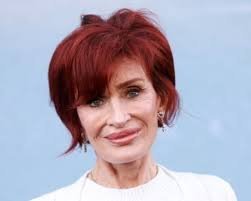
Celebrity Backlash: Sharon Osbourne and the Tommy Robinson Controversy
The intersection of celebrity influence and political activism has once again sparked a firestorm. Sharon Osbourne, the well-known TV personality, has found herself at the center of a heated debate after expressing her intention to attend a rally organized by the controversial figure Tommy Robinson (born Stephen Yaxley-Lennon).
The fallout was immediate. Centrepoint, a prominent homelessness charity patronized by the Prince of Wales, has officially moved to distance itself from Osbourne following her public endorsement of the “Unite the Kingdom” march.
A Clash of Values
The controversy began when Osbourne took to Instagram to comment on a post regarding Robinson’s rally, stating, “See you at the march.” This public declaration of support for a far-right event prompted a swift response from Centrepoint, which had previously collaborated with the star.
In a strong statement, the charity emphasized that such events are fundamentally incompatible with their mission. According to Centrepoint:
- Inclusivity is Key: The organization prides itself on supporting young people regardless of their ethnicity, religion, or background.
- Safety and Opportunity: They believe that for youth to thrive, society must be free from fear and open to equal opportunities in education and employment.
- Zero Tolerance: The charity explicitly stated that this type of rally “does not align with our values.”
The “Ambassador” Clarification
While Osbourne was associated with the charity, Centrepoint was quick to clarify the nature of their relationship. She had served as an ambassador specifically for an Omaze campaign, which successfully raised significant funds through a luxury home sweepstakes. However, the charity clarified that she was never an official, ongoing ambassador and confirmed there are no plans for future collaborations.
The Rise of the ‘Unite the Kingdom’ Movement
Tommy Robinson has long sought mainstream celebrity validation to amplify his message. The “Unite the Kingdom” movement has already seen massive turnouts; a previous rally in September attracted over 100,000 people, marking one of the largest far-right demonstrations in British history.
These events have often attracted high-profile, polarizing figures. Notably, Elon Musk previously addressed one of these gatherings remotely, using language that Downing Street later condemned as “dangerous and inflammatory.” Musk’s rhetoric regarding the necessity of “fighting back” added a layer of global intensity to the local political unrest.
Political Tensions and Policing
The events surrounding these rallies have also brought the Metropolitan Police under scrutiny. Critics have accused the force of providing preferential treatment to far-right demonstrations compared to pro-Palestine protests occurring simultaneously. While the Met maintains that security decisions are based on safety rather than political affiliation, the public perception of bias continues to fuel the fire.
As the date for the next rally approaches, the case of Sharon Osbourne serves as a stark reminder of the increasing pressure on organizations to align their public partnerships with their core ethical values in an era of extreme political polarization.



