
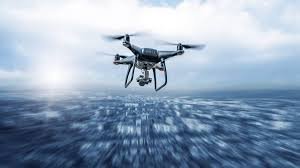
A Close Call in the Skies: When an Airplane Meets an Illegal Drone
Imagine gliding through the air at 3,000 feet, nearing the end of a routine flight, when suddenly, an unexpected object strikes your aircraft. This was the harrowing reality for the crew and passengers of United Airlines Flight 1980 recently.
The Boeing 737, traveling from San Francisco to San Diego with 48 passengers and six crew members, experienced a frightening moment during its final approach. The pilot reported colliding with a “small, bright red” object—later identified as a drone—hovering illegally within the airport’s restricted airspace.
The Legal Boundaries of the Sky
This incident highlights a growing concern for global aviation safety. According to the Federal Aviation Administration (FAA), drone operators are strictly prohibited from flying above 120 metres (approximately 400 feet) without explicit authorization. Furthermore, flying drones near airports is strictly forbidden at all times due to the extreme risk posed to commercial aircraft.
While this specific encounter ended without tragedy, the potential for disaster is high. United Airlines confirmed that following a thorough maintenance inspection, the aircraft suffered no permanent damage and passengers were safely disembarked.
Why Even Small Objects are a Major Threat
You might wonder: How can a small drone jeopardize a massive Boeing 737? The answer lies in the sensitivity of jet engines. History has shown that foreign object debris (FOD) can be catastrophic. A notable example occurred in 2009, when a flock of Canada geese was sucked into the engines of a plane departing La Guardia Airport, leading to the famous “Miracle on the Hudson” landing.
Comparing the risks:
- n
- Birds: Geese typically weigh between 2 kg and 6.5 kg.
- Consumer Drones: Usually weigh between 100g and 4 kg.
- Legal Limit: In many jurisdictions, drones over 25 kg require special permits.
Drone Regulations in Canada: What You Need to Know
For those operating drones in North America, the laws are stringent to prevent such incidents. In Canada, Transport Canada mandates that any drone weighing more than 250g must be registered.
Failure to comply with these safety regulations can lead to severe financial penalties:
- n
- Recreational use: Fines can reach up to $5,000.
- Commercial use: Fines can soar up to $25,000.
As drone technology becomes more accessible, the importance of responsible flying cannot be overstated. A few minutes of “fun” in a restricted zone could lead to a lifetime of legal trouble—or worse, a mid-air catastrophe.



