
The Urgent Reality of Climate Change
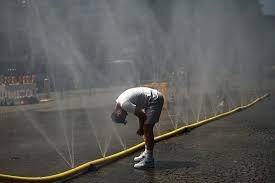
Climate change is no longer a distant threat; it is a present reality that is reshaping our world. From unprecedented heatwaves and devastating floods to the steady rise of sea levels, the signs of a warming planet are impossible to ignore. But what exactly is driving this phenomenon, and how does it affect our global stability?
At its core, climate change is driven by the accumulation of greenhouse gases—such as carbon dioxide and methane—in the atmosphere. These gases trap heat, creating a “greenhouse effect” that raises the Earth’s average temperature. While natural fluctuations occur, the current rate of warming is primarily the result of human activities, specifically the burning of fossil fuels and widespread deforestation.
The Economic Ripple Effect
Beyond the environmental toll, global warming has a profound impact on the global economy. As mentioned in high-level financial reports and global market news, the volatility caused by extreme weather events disrupts supply chains, destroys infrastructure, and threatens food security.
- n
- Agriculture: Unpredictable weather patterns lead to crop failures, driving up food prices globally.
- Insurance: The rising frequency of natural disasters is forcing the insurance industry to recalibrate risk and pricing.
- Energy Transition: The shift from carbon-heavy energy to renewables is creating a new economic frontier known as the “Green Economy.”
Sustainable Solutions for a Greener Planet
While the challenge is immense, the path forward is clear. Transitioning to a sustainable model requires a concerted effort from governments, corporations, and individuals. Some of the most effective strategies include:
1. Transitioning to Renewable Energy
Replacing coal, oil, and gas with solar, wind, and hydroelectric power is essential to reducing carbon emissions. According to the United Nations, accelerating the transition to clean energy is the fastest way to mitigate the worst effects of the crisis.
2. Protecting Biodiversity and Reforestation
Forests act as the planet’s lungs, absorbing vast amounts of CO2. Protecting existing rainforests and investing in massive reforestation projects are critical steps in balancing the atmospheric carbon levels.
3. Adopting Circular Economy Practices
Moving away from the “take-make-waste” model toward a circular economy—where materials are reused and recycled—significantly reduces the industrial footprint on the environment.
Conclusion: The Time to Act is Now
Addressing climate change requires more than just awareness; it demands systemic change and individual commitment. By supporting sustainable policies and reducing our personal carbon footprints, we can ensure a livable planet for future generations.
To stay informed about the latest scientific data and environmental updates, we recommend following the latest reports from NASA’s Global Climate Change portal, which provides real-time tracking of Earth’s vital signs.



