
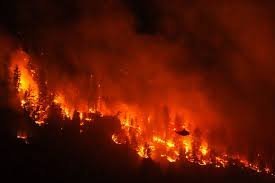
The Invisible Fingerprint: How Global Warming Fueled Canada’s Firestorm
For weeks, thick, choking smoke blanketed cities from New York to Detroit, turning midday skies into an eerie twilight. While the visual impact was undeniable, the cause has sparked a heated debate between political leaders and the scientific community. A recent weather study has now provided a definitive answer: human-caused climate change played a pivotal role in transforming Canadian forests into a tinderbox.
According to the report released by World Weather Attribution, an international collective of scientists, the likelihood of the extreme weather conditions that sparked these massive summer wildfires has doubled due to global warming.
Breaking Down the Science: The “Tinderbox” Effect
The study didn’t just look at the flames, but at the atmospheric conditions that allowed them to explode. Researchers analyzed the “Canadian index” for fire weather, which monitors four critical factors:
- n
- Extreme Heat: Rising temperatures that dry out vegetation.
- Lack of Precipitation: Prolonged droughts that leave soil parched.
- Low Humidity: Dry air that accelerates evaporation.
- Wind Patterns: Strong gusts that spread embers rapidly.
By comparing current conditions to a hypothetical world without the 2.5 degrees (1.4 degrees Celsius) of warming since the industrial era, scientists found that these dangerous conditions—which once might have occurred once in a lifetime—could now happen every six years.
Management vs. Climate: The Political Clash
The findings come amidst sharp criticism from U.S. President Donald Trump, who attributed the disasters to poor forest management by the Canadian government. Trump suggested that proper management would have prevented the fires and hinted at “punishing” Canada for the smoke drifting across the border.
However, fire and climate experts argue that this perspective ignores the broader reality. While human accidents start about half of Canada’s fires, lightning-sparked blazes account for over 90% of the land area burned. In these cases, forest management is secondary to the atmospheric fuel provided by climate change.
“Smoke does not carry a passport, but carbon pollution does have a history,” says Andrew Weaver, a climate scientist at the University of Victoria. “The United States contributed more than any other country to that history.”
Why Canada is More Vulnerable
The weather study highlights a worrying trend: Canada has warmed 65% faster than the United States in recent decades. This acceleration, combined with the geography of the North, creates a perfect storm for disaster:
- Remote Terrain: Many fires start in northern regions far from airports or fire stations.
- Combustible Flora: Boreal forests filled with spruce and pine burn intensely and rapidly.
- The 30-Minute Window: Experts note that once an extreme fire starts, there is often only a 30-minute window to contain it before it becomes uncontrollable.
The Bottom Line: A Call for Action
The evidence is clear: the world is becoming a more flammable place. From the shores of British Columbia to the heart of Ontario, the fingerprint of human activity is visible in every plume of smoke. To mitigate these catastrophes, scientists from Imperial College London and other institutions emphasize the urgent need to transition away from fossil fuels.
As the planet continues to warm, the question is no longer if these events will happen, but how we will adapt to a world where “Mother Nature is on amphetamines,” burning hotter and faster than ever before.



