
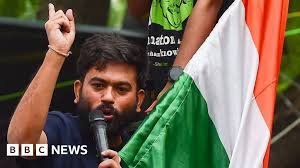
Youth Defiance: The CJP Protest Today in Delhi
The streets of India’s capital are once again witnessing a surge of youth activism. Following a violent police crackdown, thousands have regrouped for the CJP protest today in Delhi, signaling that the Cockroach Janta Party (CJP) is far from backing down. This youth-led movement, which blends satire with serious systemic demands, is calling for sweeping education reforms and the immediate resignation of Education Minister Dharmendra Pradhan.
A Clash of Ideologies and Force
The tension reached a breaking point this past Monday when tens of thousands of young men and women attempted to march toward Parliament, defying a strict police ban. The result was a scene of chaos in Central Delhi. Reports indicate that security forces utilized batons and tear gas to disperse the crowds, leaving at least 60 protesters wounded. In a move that has sparked international concern, police dismantled makeshift tents and stages at the primary protest site.
While the police claim that 118 officers were injured and 70 protesters detained, the narrative on the ground tells a different story. Social media has been flooded with footage of security forces beating unconscious protesters, including women, leading to widespread condemnation of the state’s response.
The Origin of the ‘Cockroach’ Movement
The Cockroach Janta Party is not a traditional political entity but a satirical response to a controversial remark. The movement was inspired by the Chief Justice of India, who used the term “cockroach” to describe unemployed youth turning to activism and journalism. Though the Justice later clarified he was referring to those with “fake degrees,” the term became a badge of honour for a generation feeling marginalized by the system.
The movement gained significant global momentum when renowned activist and educationist Sonam Wangchuk joined the cause on June 28, initiating an indefinite hunger strike. Despite being forcibly removed by police and hospitalized, Wangchuk remains a symbol of resilience for the protesters.
The Core Demands: Why They Are Fighting
At the heart of the CJP protest today is a demand for accountability. The movement focuses on two primary triggers:
- n
- NEET Exam Scandal: The leak of the National Eligibility cum Entrance Test (NEET) papers devastated millions of medical aspirants. The subsequent cancellation and re-testing have left students in turmoil.
- Student Suicides: Tragedies have struck the youth community, with over 20 students taking their own lives due to the stress and despair caused by the exam scandal.
- Systemic Reform: Protesters are demanding an overhaul of the education system to prevent future leaks and ensure fair opportunities for all.
Political Fallout and the Path Forward
The political landscape in India is reacting sharply. Opposition leader Rahul Gandhi has condemned the violence, describing Prime Minister Narendra Modi as the “most anti-youth prime minister India has ever had.” Gandhi recently led a march to the Prime Minister’s residence, demanding answers for the “brutalities” inflicted upon students.
Despite a brief, cordial meeting between Health Minister JP Nadda and CJP leaders, the movement insists that no concrete assurances were made. The CJP has since reclaimed their site at Jantar Mantar, the historic 300-year-old observatory, vowing that their peaceful protest will continue until justice is served.
For more information on international human rights standards regarding protests, you can visit Amnesty International to understand the global context of the right to assemble.
The message from the youth of Delhi is clear: This is not just a protest; it is a fight for the future of India’s education.



