
Cheyenne Water System Bacteria Issue: The Truth Behind the Meta Data Center Contamination
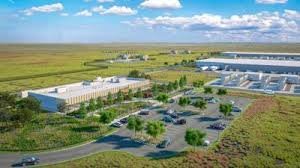
Residents of Cheyenne, Wyoming, were recently alerted to a concerning discovery regarding the city’s infrastructure. The Cheyenne Board of Public Utilities (BOPU) has identified a specific contamination event linked to the construction of Meta’s new AI data center campus in the High Plains Business Park. If you’ve been hearing about the Cheyenne water system bacteria issue, here is the comprehensive breakdown of what happened and how it affects the community.
What Caused the Contamination?
The issue stems from a contractor, Goat Systems LLC, who was working on the Meta project. During the construction process, “fill-and-flush” water—used to clear construction debris and pipe scale—was discharged into the city’s sanitary sewer. Routine testing in February revealed the presence of Cupriavidus gilardii, a rare bacterium.
According to the National Institutes of Health (NIH), Cupriavidus gilardii is naturally occurring in soil and water. While generally harmless to the healthy population, it can act as an opportunistic pathogen, potentially posing a risk to individuals with weakened immune systems or pre-existing health conditions.
Is the Drinking Water Safe?
The most critical takeaway for residents is that the city’s public drinking water was never affected.
The contamination occurred specifically within the reclaimed water system. This system treats wastewater for use in irrigating public parks, golf courses, and green spaces. The primary concern for BOPU officials was the “aerosolization” of the water—meaning that when the reclaimed water is sprayed onto grass, the bacteria could potentially be inhaled or come into contact with people in those areas.
How the City Responded
BOPU took immediate and decisive action to protect public health:
- n
- Suspension of Services: The reclaimed water irrigation program was temporarily shut down until testing confirmed the bacteria was gone.
- Penalty for Meta: The city permanently terminated Meta’s discharge privileges.
- New Policy Implementation: A strict new rule now prohibits wastewater discharges from data centers utilizing closed-loop cooling or fill-and-flush systems.
- Infrastructure Requirements: Future industrial projects using closed-loop systems must now build separate collection tanks rather than relying on the city’s sanitary sewer.
Meta and Fortis’ Perspective
Meta has stated that they are supporting their general contractor, Fortis, to resolve the matter. A Meta spokesperson emphasized that as soon as the issue was identified, Fortis stopped all industrial wastewater discharges and began hauling water offsite. They also conducted independent testing, which reportedly found no trace of the substance.
Betsey Hale, CEO of Cheyenne LEADS, pointed out that the incident happened during the construction phase, not during the operation of the data center, which is not yet online.
Current Status and Environmental Impact
While the reclaimed water system is now back in operation after negative test results, some of the bacteria did pass through the treatment plant into Crow Creek. However, officials believe the public health risk from this release is low, as the bacteria is naturally occurring and the exposure method (creek water) is less risky than irrigation spray.
For more information on how municipal water systems manage opportunistic pathogens, you can visit the Centers for Disease Control and Prevention (CDC).
Summary: Key Facts at a Glance
| Factor | Detail |
|---|---|
| Bacteria Identified | Cupriavidus gilardii |
| Drinking Water Impact | None |
| Source | Meta Data Center Contractor (Goat Systems LLC) |
| Current Status | Resolved; System monitored |



