
The Ecological Tug-of-War on Catalina Island
Catalina Island is a jewel of the Pacific, known for its breathtaking landscapes and unique biodiversity. However, beneath its serene surface, a complex ecological battle is unfolding. At the heart of the issue is a delicate balance—or lack thereof—between predators and prey, and the urgent need to restore the island’s native flora.
The Role of Apex Predators in Island Ecosystems
To support the return of balance, efforts have been made to create wildlife corridor bridges. These structures are designed to accommodate large predator species, such as mountain lions, which have become isolated due to human development. But the question remains: what will these predators eat?
Mountain lions are essential for maintaining environmental health. Their diet is diverse, often including coyotes—animals that can multiply rapidly and become overly accustomed to human presence. However, the true cornerstone of their diet is the deer population.
When a mountain lion makes a kill, the benefits ripple through the entire ecosystem:
- Scavengers: Foxes, coyotes, bears, and wolves benefit from the remains.
- Biodiversity: Various bird species and insects rely on the carcass for food.
- Soil Health: As the remains decompose, vital nutrients seep back into the ground, nourishing the earth.
The Deer Dilemma: Eradication vs. Relocation
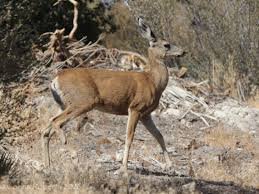
Currently, the California Department of Fish and Wildlife (CDFW) is managing the Catalina Island Restoration Project. The agency has noted that the lack of natural predators has led to an explosion in the mule deer population, causing severe damage to native plant species.
The current plan involves a controversial mule deer eradication strategy. While the goal is to protect the island’s unique vegetation, many community members are questioning the ethics of this approach. Instead of slaughter, a more sustainable alternative is being proposed: relocation.
By moving these deer to regions where their populations have diminished but predators still exist, we could solve two ecological problems at once. Additionally, creating wildlife watering stations would help rectify the loss of natural water sources caused by human development.
Why This Matters Now
In an era of “fire-all-the-time” climates, managing herbivores is a double-edged sword. While overpopulation destroys plants, removing herbivores entirely can sometimes backfire by increasing fuel loads for wildfires. Rebalancing a wild ecosystem is never simple, but it is necessary for the survival of Catalina Island.
The specific details of the restoration plan can be found under the California Environmental Quality Act Statutory Exemption for Restoration Projects (Concurrence No. 21080.56-2026-090-R5).
Get Involved
The California Department of Fish and Wildlife is the primary decision-making agency in this matter. If you feel strongly about the future of the island’s wildlife and the preservation of its native species, we encourage you to reach out to the lead officials and share your thoughts on a more humane and holistic restoration approach.



