
Catastrophic Rainfall: Record-Breaking Floods Devastate New York’s Capital District
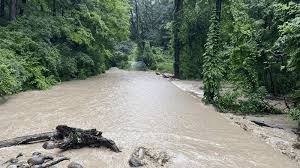
The Capital Region of New York is currently grappling with the aftermath of a historic weather event. Unprecedented rainfall has triggered severe Capital District floods, leaving a trail of destruction that includes collapsed infrastructure, flooded homes, and a massive mobilization of emergency services.
A Meteorological Anomaly: Breaking All Records
This wasn’t your average summer storm. While many associate heavy flooding in New York with tropical systems like Irene or Isaias, meteorologists confirm that this event was driven by a powerful upper-level low-pressure system.
The statistics are staggering. In Albany, Wednesday marked the wettest July day on record, with 5.45 inches of rain—nearly doubling the previous record set in 1996. In some areas, the situation was even more extreme:
- n
- Schodack: Recorded a shocking 11.8 inches of rain over three days.
- Kinderhook: Measured 11.48 inches.
- Hudson Valley: Experienced the heaviest concentration of rainfall, ranging from 5 to 9 inches.
For more information on how these weather patterns are shifting, you can explore the National Oceanic and Atmospheric Administration (NOAA) for climate trends and alerts.
Infrastructure Collapse and Local Devastation
The sheer volume of water led to heartbreaking losses of local history. In Castleton-on-Hudson, a historic mill dating back to the 1800s collapsed under the pressure of rushing floodwaters. Town Supervisor Charles Peter described the conditions as the worst he had ever witnessed, noting that the foundation simply could not withstand the force of the water.
Beyond the mill, the impact was felt across multiple counties:
- Water Advisories: Castleton-on-Hudson was forced to issue a boil water advisory due to contamination risks.
- Residential Damage: In Menands, reports of house collapses surfaced, while residents in West Albany and Coeymans had to be evacuated by boat.
- Public Spaces: Brown’s Beach in Stillwater remains closed as lake levels reached critical highs, displacing several buoys.
First Responders: A Herculean Effort
The scale of the Capital District floods placed an immense burden on local emergency services. Fire departments from Bethlehem, Guilderland, and East Greenbush reported hundreds of calls for service, ranging from pumping out flooded basements to performing high-stakes water rescues.
In Greene County, the 911 dispatch center was forced to staff all six terminals—a rarity—to handle over 300 emergency calls. Firefighters in various districts worked shifts exceeding 16 consecutive hours to ensure the safety of the community, often while their own homes were under threat of flooding.
Current Status and Road Closures
As of this week, several municipalities, including the City of Rensselaer and the Town of Hunter, have extended their states of emergency to facilitate cleanup and infrastructure repair. Travelers are urged to exercise caution as several key routes remain impacted:
- State Route 143: Closed in Coeymans due to a significant washout.
- Schodack: Multiple roads including Clove and Shufelt roads remain shut down.
- North Greenbush: Temporary closures on Sharpe Road due to downed power lines.
While the worst of the storm has passed, residents are encouraged to monitor the National Weather Service for updated forecasts, as isolated showers remain possible in the coming days.



