
Canadian Wildfires and Air Quality: Understanding the Impact and Staying Safe
In recent years, the sight of orange skies and a thick, acrid haze has become an unsettling reality for millions of people across North America. While the flames may be raging in the forests of Canada, the consequences are far-reaching. The Canadian wildfires air quality crisis is not just an environmental disaster; it is a public health challenge that transcends borders.
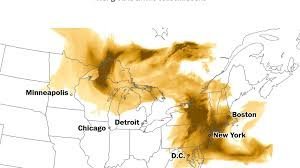
When massive forests burn, they release millions of tons of particulate matter into the atmosphere. These particles can travel thousands of miles, carried by high-altitude winds, turning clear blue skies into a murky grey shroud and triggering health alerts from the Great Lakes to the East Coast of the United States.
How Canadian Wildfires Affect Air Quality
The primary concern during these events is PM2.5—fine particulate matter that is 2.5 micrometers or smaller in diameter. Because these particles are so tiny, they can bypass the body’s natural defenses in the nose and throat, penetrating deep into the lungs and even entering the bloodstream.
This degradation of air quality leads to several immediate risks:
- Respiratory Distress: Increased asthma attacks and bronchitis.
- Cardiovascular Strain: Higher risk of heart attacks and strokes in vulnerable populations.
- General Inflammation: Irritation of the eyes, nose, and throat.
How to Monitor Your Local Air Quality Index (AQI)
Staying informed is your first line of defense. The Air Quality Index (AQI) is a standardized system used to communicate how clean or polluted the air is. When Canadian wildfire smoke drifts into your region, the AQI will spike, often reaching “Unhealthy” or “Hazardous” levels.
To stay updated in real-time, we recommend using high-authority monitoring tools:
- AirNow.gov: The gold standard for US air quality monitoring.
- World Health Organization (WHO): For global air quality guidelines and health standards.
Practical Tips to Protect Your Health
When the air quality dips due to wildfire smoke, taking proactive steps can significantly reduce your health risks. Here is how you can protect yourself and your family:
1. Limit Outdoor Activity
When the AQI is high, avoid strenuous outdoor exercise. Physical activity increases the volume of air you breathe, meaning you inhale more pollutants. Keep children and the elderly indoors as much as possible.
2. Seal Your Home
Keep windows and doors closed. If you have an HVAC system, set it to “recirculate” to prevent outdoor smoke from being drawn inside. Consider using a high-efficiency particulate air (HEPA) filter to scrub the air in your living spaces.
3. Use the Right Masks
Not all masks are created equal. Simple cloth or surgical masks do little to filter out PM2.5 particles. If you must go outside, use a certified N95 or KN95 respirator, which is specifically designed to filter out fine particulates.
The Bigger Picture: Why Is This Happening?
The increasing frequency and intensity of Canadian wildfires are closely linked to rising global temperatures and changing precipitation patterns. As forests become drier, they become tinderboxes, leading to longer and more severe fire seasons.
Addressing the Canadian wildfires air quality issue requires more than just masks and air filters; it requires a global commitment to climate action to mitigate the long-term causes of these catastrophic events.
Conclusion
While we cannot control the wind or the fires, we can control how we respond to the air we breathe. By monitoring the AQI and taking simple precautions, you can protect your respiratory health during these challenging periods. Stay vigilant, stay informed, and prioritize your well-being.



