
Nature’s Fury: Three Tornadoes Strike Quebec and Ontario
Recent severe weather patterns have once again reminded Canadians of the unpredictable power of nature. The Northern Tornadoes Project has officially confirmed that the violent storm system on August 29 triggered three separate tornadoes across the border regions of Quebec and Ontario.
While these events caused significant localized destruction, the outcome could have been far worse. Fortunately, the damage was primarily confined to forested areas, and no injuries have been reported.
Breaking Down the Storms: EF1 and EF2 Impact
The intensity of these tornadoes varied, with researchers categorizing them based on the Enhanced Fujita (EF) scale. Here is a detailed look at the events:
- n
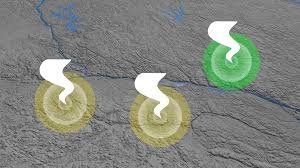
- Quebec (Lake Kennedy): An EF1 tornado touched down around 5:05 PM. With estimated winds reaching 145 km/h, it carved a path 11.2 km long and up to 560 metres wide.
- Ontario (Kiosk & Esker Lake): Two more powerful EF2 tornadoes were confirmed. These storms, hitting Kiosk at 1:10 PM and Esker Lake at 2:10 PM, packed devastating winds of up to 190 km/h.
An Unusually Active Season for Canada
While Quebec and British Columbia have seen lower-than-average tornado counts this year—with Quebec recording only seven to date—the rest of the country tells a different story. Most provinces have already exceeded their typical seasonal averages, pushing the national total to nearly double what is usually observed in Canada.
This surge in activity highlights the importance of staying informed via Environment and Climate Change Canada to ensure public safety during extreme weather events.
The Tech Behind the Tracking: The Northern Tornadoes Project
In the past, many tornadoes in Canada went undocumented because they occurred in remote, uninhabited regions. However, since 2017, the Northern Tornadoes Project has revolutionized how we track these phenomena.
By utilizing advanced satellite imagery analysis and remote sensing, researchers can now confirm a tornado’s passage and assess damage even when no human witnesses are present. This technological leap provides a much more accurate picture of Canada’s climatological risks.
As we move toward the end of summer, these events serve as a stark reminder: the change in season does not immediately mean the end of severe weather. Staying vigilant and relying on scientific data is the best way to prepare for the unexpected.



