
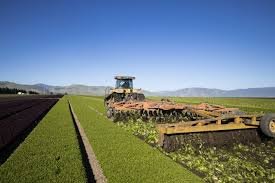
The Salad Bowl in Crisis: Why California Lettuce Growers are Skipping the Harvest
California, often referred to as the ‘salad bowl of the United States,’ is currently facing a perplexing and distressing situation. In a move that has sent ripples through the agricultural sector, many California lettuce growers are skipping their harvests, leaving perfectly viable crops to wither in the fields. But why would a farmer abandon the very product they spent months cultivating?
This phenomenon isn’t a result of crop failure or natural disaster, but rather a complex intersection of economic volatility and logistical nightmares. To understand this crisis, we need to dive deeper into the mechanics of the modern food supply chain.
The Economic Breaking Point: When Harvesting Costs More Than Selling
The primary driver behind the decision to skip the harvest is often simple mathematics. Agriculture is a high-risk, low-margin business. When the market price for lettuce plummets due to oversupply or shifting demand, the cost of harvesting—including labor, fuel, and transportation—can actually exceed the potential revenue from selling the crop.
- n
- Plummeting Market Prices: When wholesale prices drop below a certain threshold, selling the lettuce results in a net financial loss for the farmer.
- High Overhead: The cost of mechanized harvesting and trucking remains constant regardless of the market price.
- Risk Mitigation: By skipping the harvest, some growers attempt to reduce further financial bleeding, hoping for a market correction.
Labor Shortages and Logistical Hurdles
Beyond the price point, the agricultural sector in the US is grappling with a severe labor shortage. Harvesting lettuce is a labor-intensive process that requires a seasonal workforce. With changing immigration policies and a shifting labor market, growers are finding it increasingly difficult to secure the manpower needed to bring crops from the field to the warehouse.
According to data from the USDA (United States Department of Agriculture), the stability of the agricultural workforce is critical for food security. When labor is unavailable, crops reach their peak maturity and then spoil, leaving farmers with no choice but to abandon the harvest.
How This Affects Your Grocery Bill
You might wonder: “If there is so much lettuce being left in the fields, why aren’t prices dropping for me?” The answer lies in the volatility of the supply chain. While there may be an oversupply in one specific region or variety, the overall stability of the food system is fragile.
When large portions of a harvest are skipped, it can lead to long-term instability. Future planting cycles may be reduced as farmers pivot to more profitable crops, eventually leading to genuine shortages and higher prices for consumers at the supermarket.
Looking Ahead: Is There a Solution?
The current crisis highlights the need for better price insurance and more sustainable labor practices within the farming industry. Experts suggest that investing in agricultural technology (AgTech) and improving crop insurance programs could provide a safety net for growers, preventing the heartbreaking sight of wasted food.
As we move forward, the focus must remain on balancing the economic viability for the producer with the affordability for the consumer, ensuring that the ‘salad bowl’ continues to feed the nation efficiently.



