
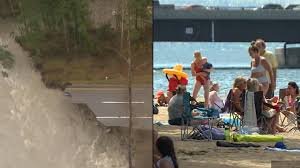
Beyond the Forecast: How the Super El Niño is Shaping Calgary Weather and Alberta’s Future
For residents of Alberta, the phrase “Calgary weather” is often synonymous with unpredictability. From sudden chinooks to unexpected snowfalls, we are used to surprises. However, a global phenomenon known as the Super El Niño is currently shifting the scales, bringing weather patterns that are more extreme and far-reaching than typical seasonal changes.
As Environment and Climate Change Canada (ECCC) suggests that upcoming years could be among the hottest on record, it is crucial to understand how these global ocean temperatures affect our local backyard.
What Exactly is a Super El Niño?
While a standard El Niño occurs when tropical Pacific ocean temperatures rise about 0.5°C above average, a Super El Niño is a different beast entirely. This occurs when temperatures spike by more than two degrees Celsius above the long-term average. This massive release of heat into the atmosphere disrupts weather patterns across the globe, including the Canadian Prairies.
The Direct Impact on Calgary Weather and the Prairies
For those living in Calgary and surrounding Alberta regions, the Super El Niño doesn’t just mean “warmer days.” It means a shift in the fundamental behavior of our seasons:
- n
- Warmer, Wetter Winters: Instead of the traditional heavy snowpack, Alberta may experience more rain than snow. While this might sound pleasant, it increases the risk of localized flooding.
- Drought and Wildfire Risks: Paradoxically, while some areas flood, other parts of the Prairies and British Columbia could face much drier and warmer conditions, significantly elevating the risk of wildfires during the summer months.
- Atmospheric Energy: Higher temperatures mean more moisture in the air, providing more “fuel” for intense rain events that can overwhelm urban infrastructure.
More Than Just Rain: The Economic Ripple Effect
The effects of the Super El Niño extend far beyond the thermometer. Because Canada relies heavily on global imports, climate instability in the tropics hits our wallets directly. Experts warn that food production for commodities like coffee, chocolate, and citrus fruits—often grown in regions most susceptible to El Niño—could plummet.
Combined with existing geopolitical tensions, this weather phenomenon is expected to drive up grocery prices, making food security a pressing issue for Canadian households.
Health and Environmental Concerns
The environmental toll is equally concerning. Beyond the land, the surge in ocean temperatures threatens fragile marine ecosystems. In Canada, cold-water coral and sea sponge ecosystems are under threat, as these biodiversity hotspots cannot adapt to rapid temperature spikes.
Furthermore, extreme heat events associated with these cycles pose a significant health risk to seniors, increasing cardiovascular morbidity and mortality during heatwaves.
Staying Prepared in a Changing Climate
Whether you are a farmer in the Prairies or a commuter in downtown Calgary, staying informed is the best way to mitigate risk. By monitoring updates from high-authority sources like Environment and Climate Change Canada and NOAA, we can better prepare for the extremes.
The bottom line: Calgary weather is evolving. Understanding the Super El Niño is not about fear—it’s about preparation and resilience in the face of a changing global climate.



