British Airways Boeing 787 Grounded in Pittsburgh: The Costly Struggle to Get the Dreamliner Back in the Air
Stranded in the Steel City: Why a British Airways Boeing 787 is Still Grounded in Pittsburgh
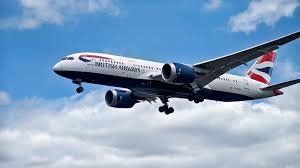
In a frustrating turn of events, a British Airways Boeing 787-8 Dreamliner has become an unwanted permanent fixture at the Pittsburgh International Airport (PIT). What was supposed to be a routine transatlantic flight from London Heathrow (LHR) has turned into a logistical and financial nightmare for the UK flag carrier.
The aircraft, registered as G-ZBJF, has been grounded for over 70 days following a ground-handling accident that has highlighted the complexities of modern aviation engineering.
The Incident: A Costly Collision
The trouble began on August 28, shortly after the aircraft completed its 3,233-nautical-mile journey. While on the tarmac, a mobile baggage belt loader—essential equipment used by ramp personnel—collided with the airframe. Reports indicate that the loader pierced the fuselage underneath one of the bulk cargo doors, leaving a significant hole in the exterior of the cargo bay.
While such accidents are rare, the impact on a Boeing 787 Dreamliner is far more serious than it would be on older aircraft. This is due to the advanced materials used in its construction.
The Composite Challenge: Why Repairs are Taking So Long
Unlike traditional aircraft built primarily from aluminum, approximately 50% of the Dreamliner’s primary structure is made from composite materials (carbon-fiber reinforced polymers). While this makes the plane lighter and more fuel-efficient, it makes structural repairs significantly more complex.
- n
- Specialized Inspection: Composite damage isn’t always visible to the naked eye and requires advanced non-destructive testing.
- Precision Patching: Repairing a composite fuselage often requires a specialized patch and controlled curing environments.
- Landing Gear Complications: Unverified reports suggest that the damage may extend to the landing gear system, further delaying the aircraft’s return to service.
The Financial Toll of Being Grounded
For British Airways, the cost of this grounding extends far beyond the physical repair bill. The airline is facing a “triple threat” of financial losses:
- Lost Revenue: Every day the 787 is not flying passengers, the airline loses potential ticket sales.
- Parking Fees: According to the Allegheny County Airport Authority (ACAA), gate parking charges can reach roughly $175,000.
- Maintenance Costs: Shipping specialized engineers and parts to Pittsburgh is a costly endeavor.
What Happens Next? The Path to the Skies
To get G-ZBJF back in the air, British Airways must secure a Special Flight Permit (SFP) from the Federal Aviation Administration (FAA). This would allow for a one-off “ferry flight” to a facility better equipped for heavy maintenance.
Current theories suggest two likely destinations:
- Cincinnati (CVG): A move to FEAM Aero, a specialized maintenance provider, for more permanent repairs.
- Seattle: Returning the aircraft to Boeing’s primary facilities for expert composite remediation.
An Unfortunate Timeline
The irony of this incident is the aircraft’s recent history. G-ZBJF had just emerged from an extensive maintenance period in Wales.
| Date | Event |
|---|---|
| Dec 19, 2025 | Sent to Cardiff for long-term storage and D-checks. |
| Aug 6, 2026 | Completed maintenance and cleared for service. |
| Aug 28, 2026 | Grounded in Pittsburgh after ground-handling collision. |
This incident serves as a stark reminder of the logistical challenges involved in maintaining a global fleet. When a widebody aircraft is damaged thousands of miles from its primary hub, the road to recovery is long, expensive, and technically demanding.
📰 You May Also Like