
Beyond the Rubble: Reflecting on the Iconic Imagery of 9/11 and the Spirit of Resilience
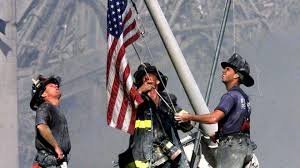
The visual history of September 11, 2001, is etched into the global consciousness through a series of haunting and powerful images. While some photographs, like the devastating image of the falling man, captured the absolute depth of human despair and the horror of that morning, others became symbols of an unbreakable spirit. Among these is the iconic photograph of three firefighters raising the American flag amidst the gray ruins of the World Trade Center.
For photographer Thomas E. Franklin, that single shutter click—lasting just 1/640th of a second—captured a moment that would transcend journalism to become a piece of American history. Twenty-five years later, the landscape of Lower Manhattan has transformed, but the emotional weight of those images remains as heavy as ever.
The Moment Hope Emerged from the Dust
On the afternoon of September 11, the air was thick with toxic gray dust and the smell of smoldering steel. As officials evacuated the site due to the fear of further collapses, Franklin witnessed a spontaneous act of defiance: three firefighters attempting to hoist the stars and stripes atop a mountain of debris.
- n
- The Scene: A scarred, unrecognizable landscape of twisted metal.
- The Action: A series of 23 frames captured in less than four minutes.
- The Impact: An image that went viral before the era of social media, appearing on postage stamps and in museums worldwide.
While the falling man imagery reminded the world of the tragedy’s brutality, the flag-raising provided a necessary counterbalance—a visual testament to resilience and the will to persevere in the face of unimaginable loss.
Ground Zero: From Destruction to Healing
Returning to the site today, the contrast is jarring. The “war zone” of 2001 has been replaced by a masterclass in modern architecture and remembrance. The skyline is once again defined by a beacon of strength: One World Trade Center, rising 1,776 feet as a tribute to American independence.
The transformation includes:
- The Oculus: A stunning white steel-and-glass transportation hub that serves as a centerpiece of the rebuilt district.
- The Memorial Plaza: Two massive reflecting pools situated exactly where the Twin Towers once stood, their edges etched with the names of nearly 3,000 victims.
- The 9/11 Museum: A sanctuary of artifacts and oral histories designed to ensure that the tragedy is never forgotten.
The Human Cost Behind the Lens
For those who lived through it, the polished marble and glass of the new World Trade Center cannot fully mask the void left behind. Franklin recalls the agony of the first anniversary in 2002, photographing family members gathered around “The Pit.” It was here he discovered a poignant personal connection: a family honoring James Brian Reilly, a bond trader and alumnus of Franklin’s own high school.
This realization underscores a universal truth about 9/11: the tragedy did not just strike a city; it fractured communities across the entire nation. Whether through the lens of a professional camera or the memories of a survivor, the pain remains palpable.
“No Day Shall Erase You from the Memory of Time”
The inscription at the museum entrance, quoting the Roman poet Virgil, serves as a solemn promise. The visual legacy of 9/11—ranging from the visceral trauma of the falling man to the patriotic surge of the flag-raising—acts as a bridge for generations born long after the attacks. For college students today, these images are not just history book illustrations; they are windows into a time of unprecedented national unity.
As we look back, the photographs remind us that while buildings can be rebuilt and skylines can be restored, the true monument is the memory of the courage shown by first responders and the enduring love of the families who lost everything. For more information on the preservation of this history, you can visit the Library of Congress archives.



