
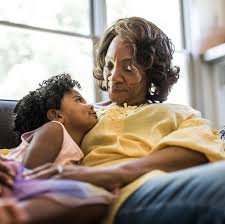
The Evolution of the Grandparent Identity
For many new grandparents, the realization that they have entered a new stage of life is a joy—but the labels that come with it can be a bit of a shock. “I felt I was too young to be called grandma,” is a sentiment echoed by many in the Baby Boomer generation. While the love for grandchildren is universal, the traditional titles of “Grandma” and “Grandpa” don’t always align with how modern seniors see themselves.
Today’s grandparents are often active, vibrant, and far from the “stodgy” stereotypes of the past. Gone are the days when being a grandparent automatically meant rocking chairs and talcum powder. Instead, we see a generation running marathons, traveling the world, and maintaining careers, leading to a shift in how they choose to be addressed.
Why the Change? The Psychology Behind the Name
According to clinical psychologist Dr. Ellen J. Klausner, who specializes in the psychological needs of older adults, there is a significant gap between the traditional monikers and the self-image of modern seniors. Many struggle to reconcile their vitality with names they associate with a sedentary lifestyle.
Beyond self-image, several sociological factors are influencing this trend:
- n
- Increased Longevity: With people living longer, we now have more great-grandparents, requiring distinct names to differentiate between generations.
- Blended Families: The rise of step-families and blended households means more specific names are needed to avoid confusion.
- Cultural Fluidity: Modern grandparents are more likely to incorporate their heritage, religion, or inside jokes into their chosen titles.
For more insight into how perception of aging affects mental health, you can explore resources at Psychology Today.
From “Gaga” to “Jefe”: The New Catalog of Nicknames
The ways grandparents are reinventing their names fall into a few fascinating categories:
1. The Modern Twists
Some prefer a slight variation to keep things fresh. For example, Ellen Harmon opted for “Grahhny” with a British accent, inspired by Downton Abbey, finding the standard “Grandma” a bit too boring.
2. The “Toddler-Made” Titles
Often, the best nicknames are those created by the children themselves. When toddlers struggle to pronounce “Grandpa” or “Grandma,” they often create adorable alternatives that stick for life. Examples include “Pip,” “Gaga,” and “Oward,” turning a linguistic struggle into a cherished family bond.
3. First-Name Derivatives
A growing trend involves blending the word “Grandma” or “Grandpa” with a first name. This creates a personalized identity, such as:
- n
- Gigi (from Grandma Gabby)
- LeeLee (from Lisa)
- Bon Bon (from Bonnie)
- LoLo (from Lois)
4. The Totally Unique
Some grandparents go for something completely unexpected. From “Jefe” (Spanish for chief) to “Duchy” or even “Boo,” these names reflect the individual personality and hobbies of the grandparent rather than their age.
The Enduring Power of Tradition
Despite the trend toward uniqueness, traditional names still hold a special place in many hearts. For some, like Anne and Art McGivern, calling themselves Grandma and Grandpa is a way to honor their own grandparents. It serves as a bridge between generations, evoking memories of the love and happiness they received in their own childhood.
Whether it is a traditional title or a whimsical new invention, the name is ultimately secondary to the relationship. What matters most is the bond between the grandparent and the grandchild—a connection that transcends any specific label.



