
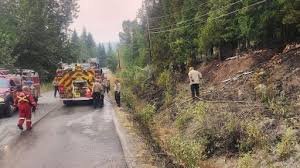
BC Wildfires: A Comprehensive Guide to Safety and Real-Time Updates
Wildfires in British Columbia (BC) have become an increasingly pressing concern for residents, visitors, and the environment. As climate patterns shift, the intensity and frequency of these fires demand a proactive approach to safety and preparedness. Whether you live in a high-risk zone or are simply staying informed, knowing how to respond to a BC fire emergency can make all the difference.
How to Track BC Wildfire Status in Real-Time
When a wildfire breaks out, timely information is your most valuable asset. Relying on social media can be risky; instead, turn to official government sources for the most accurate data regarding fire locations, sizes, and containment status.
- n
- BC Wildfire Service: The primary authority for fire management. Their interactive map is essential for tracking active fires across the province.
- Emergency Info BC: The go-to source for evacuation alerts and orders.
- DriveBC: Crucial for checking road closures and detours caused by fire activity.
For the most reliable and updated data, visit the BC Wildfire Service dashboard.
Essential Evacuation Checklist: Be Ready to Move
An evacuation order can come suddenly. Having a “Grab-and-Go” bag prepared ensures that you don’t leave behind critical items in the heat of the moment. Here is a strategic checklist for your emergency kit:
1. Critical Documents & Essentials
- n
- Identification (Passports, Driver’s Licenses, Birth Certificates).
- Prescription medications and a basic first-aid kit.
- Cash in small denominations.
- External power banks and charging cables for mobile devices.
2. Personal Needs
- n
- A three-day supply of non-perishable food and water.
- A change of clothes and sturdy footwear.
- Basic hygiene items (soap, toothbrush, sanitizer).
- N95 masks to filter out hazardous smoke particles.
Protecting Your Property with FireSmart Principles
You don’t have to be helpless against the threat of fire. Implementing FireSmart principles can significantly reduce the likelihood of your home igniting during a wildfire event.
Focus on creating a “defensible space” around your home by:
- n
- Cleaning Gutters: Remove dry leaves and pine needles that can act as fuel for embers.
- Managing Vegetation: Thin out densely packed trees and remove flammable shrubs from the immediate perimeter of your house.
- Choosing Fire-Resistant Materials: When renovating, opt for non-combustible roofing and siding materials.
To learn more about home protection, explore the resources provided by FireSmart Canada.
Managing Health Risks: The Danger of Wildfire Smoke
Even if the fire is miles away, the smoke from a BC fire can impact air quality across the province and even into other Canadian territories. Wildfire smoke contains fine particulate matter (PM2.5) that can penetrate deep into the lungs.
Tips for staying healthy during smoke events:
- n
- Monitor the Air Quality Health Index (AQHI) daily.
- Stay indoors with windows and doors closed.
- Use a HEPA air purifier to clean indoor air.
- Limit strenuous outdoor physical activity when air quality is poor.
For health guidelines regarding air quality, refer to Health Canada.
Final Thoughts: Community Resilience
Wildfires are a challenging reality for many in British Columbia, but through preparation, vigilance, and community support, the risks can be managed. Stay informed, keep your emergency kits updated, and always follow the directions of local authorities during a crisis. By working together and respecting the power of nature, we can build more resilient communities.



