
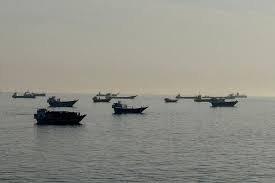
Bahrain on High Alert: Iran’s Retaliatory Strikes Shake the Gulf
The geopolitical landscape of the Middle East has reached a boiling point. In a series of rapid and aggressive escalations, Bahrain, along with several other Gulf nations, has found itself in the crosshairs of an intensifying conflict between Iran and the United States.
Following heavy U.S. airstrikes targeting Iranian infrastructure, Tehran has launched a wide-scale retaliation. The fallout has left the region on edge, with missile sirens wailing and the threat of a full-scale war looming over the horizon.
Panic in the Gulf: Bahrain and the US 5th Fleet
For Bahrain, the tension is not just political—it is immediate. As the strategic home of the U.S. Navy’s 5th Fleet, the island nation is a primary point of interest in this military chess match. On Monday, missile alert sirens sounded twice across the country, sending waves of anxiety through the population as air defenses scrambled to respond.
Bahrain was not alone. The Iranian offensive stretched across the region, targeting:
- n
- Kuwait: Where air defenses were actively engaging incoming fire.
- Qatar, Jordan, and Oman: All of whom felt the impact of the retaliatory strikes.
The Battle for the Strait of Hormuz
At the heart of this conflict lies a critical piece of global geography: the Strait of Hormuz. This narrow waterway is the world’s most important oil chokepoint, traditionally seeing a fifth of the world’s traded crude oil and natural gas pass through its waters.
The United States and Iran are currently locked in a fierce dispute over who controls this maritime corridor. While the U.S. Central Command asserts that the Strait remains open and under international law, the Iranian Revolutionary Guard has claimed the territory as their own, warning that “the era of one-sided deals is OVER.”
Political Fireworks: Trump vs. The New Iranian Leadership
The rhetoric from both sides has been inflammatory. U.S. President Donald Trump described the American response as devastating, stating he “bombed the hell out of them” after targeting roughly 140 sites, including drone launch pads and ammunition dumps.
On the other side, the passing of the late Supreme Leader Ayatollah Ali Khamenei has led to a new era of volatility. His successor, Ayatollah Mojtaba Khamenei, has vowed in his first official statement to avenge the killing of his father, signaling that Iran is prepared to pay any price to assert its dominance in the region.
Is Diplomacy Still an Option?
Despite the chaos, a flicker of hope remains. Mediators from Pakistan, Qatar, and Egypt are working tirelessly to shore up a ceasefire and salvage an interim deal that was intended to lead to a permanent end to the war.
However, with both superpowers asserting control over vital shipping routes and exchanging heavy blows, the window for diplomacy is closing fast. For the people of Bahrain and its neighbors, the only certainty is the uncertainty of tomorrow.
To stay updated on the latest developments regarding Middle East security and global energy impacts, follow the latest reports from Reuters.



