
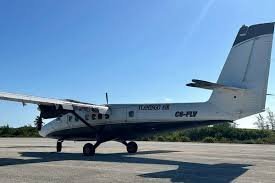
Aviation Accident and Incident: Understanding the Path to Safer Skies
For many, the thought of an aviation accident or incident is the ultimate fear. However, the paradox of modern flight is that the industry is safer today than it has ever been. This progress isn’t accidental; it is the result of a meticulous, global commitment to analyzing every single mishap to ensure it never happens again.
Accident vs. Incident: What is the Difference?
In the world of aviation, terminology is crucial for legal and safety reporting. While people often use these terms interchangeably, they have distinct meanings in the industry:
- n
- Aviation Accident: An occurrence associated with the operation of an aircraft which takes place between the time any person boards the aircraft with the intention of flight until such time as all such persons have disembarked, in which one or more persons sustain death or serious injury, or the aircraft sustains substantial damage.
- Aviation Incident: An occurrence, other than an accident, associated with the operation of an aircraft which affects or could affect the safety of operations. These are often referred to as “near-misses.”
The Primary Causes of Aviation Mishaps
Rarely is a crash caused by a single failure. Most aviation accidents are the result of a “chain of events.” Common contributing factors include:
1. Human Factors
Pilot fatigue, miscommunication in the cockpit (Crew Resource Management), and spatial disorientation remain leading causes of incidents. Training and psychological support are key to mitigating these risks.
2. Mechanical Failures
While modern engineering is incredibly robust, metal fatigue or engine failure can occur. Strict maintenance schedules and predictive analytics now help identify these issues before they become critical.
3. Environmental Conditions
Severe weather, such as microbursts, icing, or volcanic ash, can challenge even the most experienced crews. Advanced radar and satellite tracking have significantly reduced weather-related risks.
How Investigations Save Lives
Whenever an aviation accident and incident occurs, specialized agencies step in. In Canada, the Transportation Safety Board (TSB) leads these investigations, while the International Civil Aviation Organization (ICAO) sets the global standards.
The goal of these investigations is not to assign blame, but to find the root cause. By analyzing the “Black Box” (Flight Data Recorder and Cockpit Voice Recorder), investigators can reconstruct the final moments of a flight to implement systemic changes.
The Evolution of Air Safety
The aviation industry operates on a philosophy of continuous improvement. Every major accident leads to a safety directive. For example:
- n
- Improved Cockpit Culture: The shift toward “Crew Resource Management” (CRM) encourages co-pilots to speak up if they notice a mistake by the captain.
- Enhanced Technology: The introduction of TCAS (Traffic Collision Avoidance System) has virtually eliminated mid-air collisions in controlled airspace.
- Stricter Maintenance: Real-time sensor monitoring allows airlines to replace parts before they fail.
Conclusion: Why You Can Fly with Confidence
Understanding the nature of aviation accidents and incidents reveals a profound truth: the aviation industry is one of the most transparent and self-correcting sectors in the world. By treating every error as a lesson, air travel has become the safest mode of long-distance transportation available.



