
The Homecoming: Australian Citizens Return from Syria
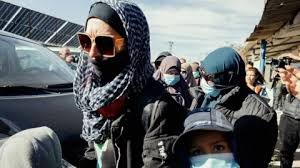
In a significant and controversial development, a group of Australian women and children with ties to the Islamic State (IS) have officially returned to soil in Sydney and Melbourne. After spending years stranded in a Syrian camp, these individuals have finally landed back in their home country, marking the end of a long and tense repatriation process.
According to authorities, the arrivals were split between two cities: two women and their children touched down in Melbourne, while another plane carrying four women and their children landed in Sydney shortly after. This operation marks the return of the final Australians held in the al-Roj camp in north-east Syria, a facility that has housed families of IS fighters since 2019.
Legal Consequences and National Security
The return is far from a simple homecoming. The Australian government has made it clear that those who chose to join a terrorist organization will be held accountable. Home Affairs Minister Tony Burke emphasized that the government will provide no assistance to this group, stating:
“These are people who have made the horrific choice to join a dangerous terrorist organisation and to place their children in an unspeakable situation.”
The legal ramifications are already unfolding. Several individuals face severe charges, including:
- Crimes against humanity
- Joining a designated terrorist organization
- Entering and remaining in a declared conflict zone
While most have returned, one woman remains in Syria. Due to a temporary exclusion order based on national security grounds, she has chosen to remain with her child, despite the child being an Australian citizen with a valid passport.
The Human Stories Behind the Headlines
The repatriation includes individuals whose stories highlight the complex nature of radicalization and coercion. Among the returnees is Kirsty Rosse-Emile, who left Australia at 19 and previously claimed her presence in Syria was not by choice. Others, such as Nesrine Zahab, have alleged they were deceived into traveling by family members acting as IS recruiters.
This situation has sparked a fierce debate within Australia. While many citizens oppose the return of those linked to terrorism, human rights advocates argue that the women and children were in extreme danger and deserved a path back to safety and legal processing.
Looking Ahead
Since 2014, Australian authorities have maintained rigorous plans to manage and monitor the return of these individuals. As the legal system begins to process these cases, the focus remains on balancing national security with the complexities of international law and human rights.
For more information on how the government handles national security and border controls, you can visit the Australian Department of Home Affairs.



