
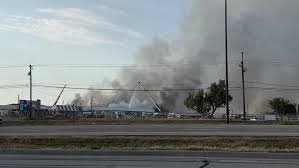
Staying Safe During the Austin Fire Season: A Comprehensive Guide
Living in the beautiful landscape of Central Texas comes with a unique set of environmental challenges. Among the most concerning is the risk of wildfires. Whether it’s caused by drought conditions, lightning, or accidental human activity, an Austin fire can spread rapidly, threatening homes, wildlife, and lives.
Being proactive is the best defense. In this guide, we will explore how you can prepare your property, stay informed, and react quickly during an emergency to ensure the safety of your loved ones.
1. Creating a Defensible Space Around Your Home
One of the most effective ways to protect your property from an approaching wildfire is by creating a “defensible space.” This involves managing the vegetation around your home to reduce the amount of fuel available to a fire.
- The Immediate Zone (0-5 feet): Remove all dead leaves, pine needles, and flammable mulch from your roof and gutters. Ensure no combustible materials are leaning against the house.
- The Intermediate Zone (5-30 feet): Keep lawns mowed and hydrated. Space out trees and remove “ladder fuels” (low-hanging branches that allow ground fires to climb into the canopy).
- The Extended Zone (30-100 feet): Thin out dense clusters of trees and remove dead brush to slow the fire’s progress toward your residence.
2. Staying Informed with Real-Time Updates
When an Austin fire breaks out, every second counts. Relying on word-of-mouth isn’t enough; you need official, verified data. The Austin Fire Department (AFD) is the primary source for emergency alerts and fire safety guidelines.
To stay ahead of the danger, we recommend the following:
- Sign up for WarnCentralTexas: This is the official emergency notification system for Travis County.
- Follow Official Social Media: Monitor the AFD and the City of Austin on X (Twitter) and Facebook for immediate evacuation orders.
- Monitor Air Quality: Wildfires often cause hazardous smoke levels. Check AirNow.gov to determine if it is safe to be outdoors.
3. Your Emergency Evacuation Checklist
If an evacuation order is issued, you may only have a few minutes to leave. Having a “Go Bag” ready can make the difference between chaos and safety. Ensure your kit includes:
- Important Documents: Passports, insurance policies, and birth certificates in a waterproof container.
- Basic Supplies: A three-day supply of water, non-perishable food, and a first-aid kit.
- Medications: A week’s worth of essential prescriptions and a list of your medical history.
- Essentials: Flashlights, extra batteries, portable phone chargers, and a map of the area.
Conclusion: Community Resilience
While the threat of an Austin fire is a reality of living in Texas, preparation significantly reduces the risk. By maintaining your property and staying connected with local authorities, you contribute to a safer, more resilient community.
Don’t wait for the smoke to appear on the horizon. Start your preparations today and ensure that you and your family are ready for whatever the season brings.



