
The Fascinating World of Asteroids: More Than Just Space Rocks
When we think of asteroids, the first image that often comes to mind is a cinematic disaster movie where a giant rock threatens to end civilization. However, the reality of these celestial bodies is far more intriguing and complex than Hollywood suggests. From being remnants of the early solar system to potential sources of infinite wealth, asteroids are central to our understanding of the universe.
What Exactly Are Asteroids?
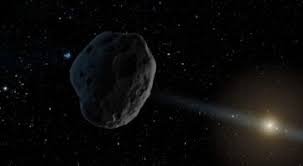
Asteroids are rocky, airless remnants left over from the early formation of our solar system about 4.6 billion years ago. Most of them are found in the Asteroid Belt, a vast region located between the orbits of Mars and Jupiter. Unlike planets, they lack enough gravity to pull themselves into a spherical shape, resulting in the irregular, potato-like appearances we see in satellite imagery.
Scientists categorize asteroids into three main types based on their composition:
- C-type (Carbonaceous): The most common, rich in carbon and organic compounds.
- S-type (Silicaceous): Composed mainly of iron- and magnesium-silicates.
- M-type (Metallic): Primarily made of nickel and iron, making them highly valuable.
Planetary Defense: Protecting Earth from Cosmic Impact
While the probability of a major collision is low, the potential impact is high. This is why agencies like NASA have developed the Planetary Defense Coordination Office. One of the most significant milestones in this field was the DART (Double Asteroid Redirection Test) mission, which successfully proved that we could change the trajectory of an asteroid by crashing a spacecraft into it.
By monitoring Near-Earth Objects (NEOs), astronomers can predict potential threats decades in advance, ensuring that humanity is no longer a passive observer of its own fate.
The New Gold Rush: Asteroid Mining
Beyond the danger lies an incredible opportunity. Some asteroids are packed with precious metals such as platinum, gold, and palladium. A single metallic asteroid could theoretically contain more wealth than the entire GDP of some nations.
Why is asteroid mining important?
- Resource Sustainability: Reducing the environmental impact of mining on Earth.
- Space Colonization: Extracting water (ice) from asteroids to create oxygen and rocket fuel for deep-space travel.
- Economic Shift: Creating a new trillion-dollar industry in the space economy.
Conclusion: Looking Toward the Stars
Whether we view them as hazards to be avoided or resources to be harvested, asteroids are the keys to unlocking the secrets of our cosmic origin. As technology advances and collaborations between organizations like the European Space Agency (ESA) and private companies grow, our relationship with these space rocks will evolve from fear to exploration.
Stay tuned to the latest astronomical discoveries and join us in exploring the final frontier!



