
Aramco and the FIFA Paradox: The Hidden Human Cost of Oil Wealth in Port Arthur
While the world cheers for the beautiful game, a stark contrast exists between the glamorous stadiums of the World Cup and the gritty reality of Port Arthur, Texas. In Houston, the Aramco brand is everywhere—from pitchside advertisements to the bustling “Aramco Arena.” However, just 100 miles east, the narrative shifts from sporting triumph to a struggle for survival.
The Shadow of the Motiva Refinery
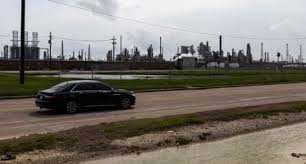
In Port Arthur, the horizon is dominated by a sprawling mass of steel pipes and towering chimneys: the Motiva oil refinery. As the largest refinery in the U.S. by some measures, this facility became solely owned by the Saudi Arabian giant Aramco in 2017. But for the residents living in the “fence line” communities, the refinery is not a symbol of economic progress—it is a looming menace.
For locals like Jamal Johnson, the air isn’t just air; it’s a cocktail of poisonous gases. The human toll is devastating, with families reporting a heartbreaking cycle of “weird diseases” and premature deaths. The statistics are equally grim:
- n
- Cancer Mortality: In Port Arthur’s predominantly Black community, cancer death rates are estimated to be 40% higher than the Texas average.
- Childhood Asthma: Rates are nearly double the national average, leaving many children dependent on nebulizers just to breathe.
- Heart Disease: The city sits in the 90th percentile for heart disease across the country.
Environmental Racism and Economic Decay
The crisis in Port Arthur is a textbook example of environmental racism. The west side of the city, historically segregated under Jim Crow laws, continues to bear the brunt of the pollution. Residents describe a landscape where vegetables cannot be grown because of a black, oily film that coats the produce.
Despite the immense wealth generated by the oil industry, the local community remains trapped in poverty. John Beard Jr., a former refinery worker, points out the irony: “We have all the infrastructure to create wealth, but we are the poorest of the poor.” Property values have plummeted, leaving residents unable to sell their homes and move away from the toxic emissions of benzene and sulphur dioxide.
The Corporate Contradiction: FIFA’s “Sustainable” Partner
The most jarring aspect of this story is the gap between Aramco’s public image and its operational reality. As a “major worldwide partner” of FIFA, Aramco is bound by a sustainable sourcing code that mandates the management of environmental impacts and the reduction of greenhouse gas emissions.
Yet, the record tells a different story. Motiva has faced multiple fines from the Environmental Protection Agency (EPA) and state regulators for unauthorized sulphur dioxide releases and contaminated water leaks. To the people of Port Arthur, the sponsorship money flowing into football feels like “blood money” while their own local sports fields remain neglected.
A Call for Accountability
Environmental activist Hilton Kelley, a Goldman Prize winner, notes that while some improvements have been made compared to decades past, the goal should be zero pollution, not just “less poison.” The residents of Port Arthur are not asking for handouts; they are asking for the right to breathe clean air and for the corporations profiting from their land to invest in their health.
As long as global giants like Aramco prioritize profit margins over community wellness, the “beautiful game” will continue to have a very ugly underbelly.



