
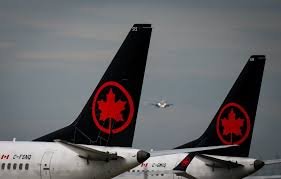
Heart-Stopping Near-Miss: American Airlines and Air Canada Express Avoid Collision at JFK
Air travel is generally one of the safest ways to move across the globe, but a recent incident at New York’s John F. Kennedy International Airport (JFK) serves as a stark reminder of how critical precision and safety systems are in aviation. On a busy Monday afternoon, two aircraft—one operated by American Airlines and another by Air Canada Express—came dangerously close to a mid-air collision.
What Happened During the JFK Incident?
The tension began around 2:30 p.m. when Republic Airways Flight 4464, operating on behalf of American Airlines, deviated from its assigned approach path toward Runway 31L. Simultaneously, Jazz Aviation Flight 554, operating for Air Canada Express, had been cleared for landing on the parallel Runway 31R.
As the American Airlines-operated jet drifted into conflicting airspace, air traffic controllers had to act with split-second urgency. The situation escalated rapidly, leading to a series of critical maneuvers to avoid a catastrophe.
The Role of Technology in Preventing Disaster
Fortunately, the onboard collision-avoidance systems, known as Resolution Advisories (RAs), triggered alerts in both cockpits. These automated systems are designed to provide pilots with immediate instructions to climb or descend to maintain safe separation.
- n
- Immediate Action: Controllers ordered the Air Canada crew to climb to 3,000 feet immediately.
- Pilot Response: Both flight crews acknowledged the warnings and initiated “go-arounds,” aborting their landings to circle back for another attempt.
- The Distance: Preliminary data indicates the planes came within approximately 350 feet vertically and less than one kilometre horizontally.
A Concerning Trend in Aviation Safety
While both aircraft eventually landed safely without injuries, the incident has raised concerns regarding airport safety protocols. This close call occurs only a month after a tragic runway collision at LaGuardia Airport involving an Air Canada Express jet and a fire truck, putting a spotlight on the need for rigorous oversight at major hubs.
For more information on aviation safety standards and regulations, you can visit the Federal Aviation Administration (FAA), which oversees airspace safety in the United States.
Conclusion
The narrow escape involving American Airlines and Air Canada Express underscores the vital importance of the synergy between air traffic controllers and automated safety technology. While the pilots’ quick reactions saved the day, the investigation into why the regional jet veered off course will be crucial in preventing future occurrences.



