
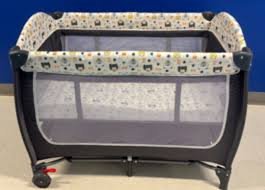
Amazon Recall: Navigating Product Safety & Consumer Alerts
Shopping on Amazon offers unparalleled convenience, but as with any retailer, understanding Amazon product recall procedures is crucial for consumer safety. Product recalls are a necessary measure to protect buyers from potential hazards, ranging from minor defects to serious safety risks. This comprehensive guide will walk you through everything you need to know about Amazon recalls, ensuring you stay informed and safe.
Why Do Amazon Recalls Happen?
Amazon recalls typically occur when a product sold on the platform is found to have a defect or poses a safety risk to consumers. These issues can stem from various sources:
- Manufacturing Defects: Flaws in the production process that compromise the product’s integrity or function.
- Safety Hazards: Products that pose risks such as fire, electric shock, choking, chemical exposure, or injury.
- Regulatory Non-Compliance: Items that do not meet specific safety standards or regulations set by government bodies like the Consumer Product Safety Commission (CPSC).
- Mislabeling or Misinformation: Incorrect usage instructions, ingredient lists, or age recommendations.
When an issue is identified, Amazon works closely with manufacturers, sellers, and regulatory agencies to initiate an Amazon safety recall, remove the product from sale, and notify affected customers.
How Amazon Notifies Consumers About Recalls
Amazon employs several methods to inform customers about an Amazon product recall:
- Email Notifications: If you purchased a recalled item, Amazon will often send an email to the address associated with your account, detailing the recall, the risks, and the necessary steps to take.
- Account Notifications: Alerts may appear in your Amazon account’s ‘Your Orders’ section or within specific product pages if you’ve previously viewed or purchased the item.
- Product Recalls & Safety Alerts Page: Amazon maintains a dedicated section on its website where you can find a list of current and past recalls. This is an essential resource for proactive checking.
It’s vital to keep your contact information updated on Amazon and to regularly check your email and Amazon account for any consumer alerts.
Checking for Amazon Recalls: Your Proactive Steps
Don’t wait to be notified; be proactive in checking for recalled items Amazon. Here’s how:
- Visit Amazon’s Official Recall Page: Always start by checking Amazon’s dedicated Product Recalls & Safety Alerts page. This is the most direct source for specific Amazon recalls. You can usually find this by searching “Amazon product recalls” on their site or directly via their customer service section.
- Consult the CPSC Website: The U.S. Consumer Product Safety Commission (CPSC.gov) is a federal agency that tracks recalls across various products and retailers, including items sold on Amazon. Their website offers a comprehensive database and subscription services for safety alerts.
- Keep Your Purchase Records: Maintain digital or physical records of your Amazon purchases. This makes it easier to cross-reference with recall notices.
- Register Your Products: For high-value items, register them with the manufacturer upon purchase. This ensures you receive direct recall notifications from the brand.
What to Do If Your Amazon Product Is Recalled
If you discover that a product you purchased on Amazon has been recalled, follow these critical steps immediately:
- Stop Using the Product: The very first step is to cease using the item immediately to prevent any potential harm.
- Follow Recall Instructions: Carefully read the Amazon recall notice. It will provide specific instructions on what to do next, which might include:
- Returning the product to Amazon or the manufacturer for a full refund.
- Receiving a replacement product.
- Getting a repair kit or instructions to fix the defect.
- Instructions for safe disposal.
- Contact Amazon Customer Service: If the recall notice isn’t clear or you have questions, reach out to Amazon Customer Service for assistance.
- Do Not Resell or Donate: A recalled product should never be resold or donated, as this could put others at risk.
Staying Safe: Best Practices for Online Shoppers
While Amazon recalls are a vital safety net, practicing smart shopping habits can further enhance your product safety Amazon experience:
- Buy from Reputable Sellers: Whenever possible, purchase items sold directly by Amazon or from well-known, established brands and sellers with high ratings and positive reviews.
- Read Reviews Carefully: Pay attention to product reviews, especially those mentioning safety concerns, defects, or issues experienced by other buyers.
- Check Product Certifications: Look for recognized safety certifications (e.g., UL, CE, ASTM) where applicable, especially for electronics, toys, and children’s products.
- Be Wary of “Too Good to Be True” Deals: Extremely low prices on certain items might indicate counterfeit or substandard products that may not meet safety standards.
Conclusion
Being informed about Amazon recall procedures is an essential part of responsible online shopping. By understanding why recalls happen, how to check for them, and what steps to take, you empower yourself to make safer purchasing decisions and protect your household. Always prioritize safety, stay vigilant for Amazon consumer alerts, and utilize the resources available to you.



