Alberta Earthquakes: A Comprehensive Guide to Recent Seismic Activity
Alberta, a province known for its stunning landscapes and robust energy sector, has recently experienced a notable increase in seismic activity. While earthquakes aren’t uncommon in Western Canada, the frequency and intensity of recent tremors have raised concerns among residents and experts alike. This guide provides the latest updates on Alberta earthquakes, essential safety tips, and a deeper understanding of the geological factors at play.
Recent Earthquake Activity in Alberta
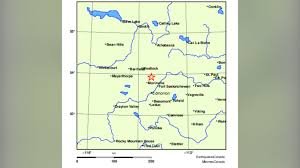
Over the past few months, several earthquakes have been recorded across Alberta, particularly in the Fox Creek area, northwest of Edmonton. These events, while generally moderate in magnitude, have been felt by people across a wide region. According to [Natural Resources Canada](https://www.earthquakescanada.nrcan.gc.ca/), the majority of these earthquakes are induced, meaning they are caused by human activity, specifically hydraulic fracturing (fracking) related to oil and gas extraction. However, naturally occurring earthquakes are also a factor in the region’s seismic landscape.
Understanding Induced Seismicity
Induced seismicity occurs when underground fluid injection alters the stress state of existing faults. The wastewater produced during fracking is often injected deep underground for disposal. This injection can lubricate faults, making them more prone to slip and generate earthquakes. While the vast majority of induced earthquakes are small and cause no damage, larger events are possible. The Alberta Energy Regulator (AER) is actively monitoring seismic activity and working with industry to mitigate the risk of induced earthquakes. You can find more information on their website: [Alberta Energy Regulator](https://www.aer.ca/).
Earthquake Safety Tips for Albertans
- Drop, Cover, and Hold On: During an earthquake, immediately drop to your hands and knees, cover your head and neck with your arms, and hold onto something sturdy.
- If Indoors: Stay inside. Move away from windows, glass, and anything that could fall.
- If Outdoors: Move to a clear area away from buildings, trees, and power lines.
- If Driving: Pull over to a safe location and set the parking brake. Stay inside the vehicle until the shaking stops.
- Prepare an Emergency Kit: Include essentials like water, food, a first-aid kit, a flashlight, and a battery-powered radio.
Resources for Staying Informed
Staying informed is crucial during periods of increased seismic activity. Here are some valuable resources:
* **Earthquakes Canada:** [https://www.earthquakescanada.nrcan.gc.ca/](https://www.earthquakescanada.nrcan.gc.ca/)
* **Alberta Emergency Alert System:** [https://www.alberta.ca/emergency-alert.aspx](https://www.alberta.ca/emergency-alert.aspx)
* **Alberta Energy Regulator:** [https://www.aer.ca/](https://www.aer.ca/)
* **Local News Outlets:** Stay tuned to local news for updates and information specific to your area.
While the recent increase in Alberta earthquakes is a cause for attention, it’s important to remain calm and prepared. By understanding the risks, following safety guidelines, and staying informed, Albertans can navigate this period of seismic activity with confidence.