
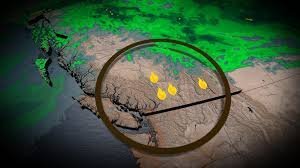
Air Quality Vancouver: Wildfire Smoke Alert Hits Lower Mainland and Vancouver Island
Residents across British Columbia are once again facing the challenging effects of wildfire season. Due to shifting wind patterns and persistent dry weather, a significant decline in air quality in Vancouver and surrounding regions is now a pressing concern. With over 130 active wildfires currently burning across the province, the atmospheric conditions are creating a perfect storm for dense smoke accumulation.
Why is the Air Quality Declining?
The current situation is being driven by a combination of favourable fire weather and specific meteorological shifts. A northeast wind flow is expected to push thick plumes of wildfire smoke directly toward Vancouver Island and the Lower Mainland.
Furthermore, a strengthening ridge of high pressure is forecast to move in, which typically leads to:
- n
- Rising Temperatures: Increasing the risk of further fire growth.
- Storm Track Shift: Pushing potential precipitation further north, leaving the southern and interior regions of B.C. dry.
- Extended Dry Spells: A predicted 5-7 day window without rain, elevating fire danger ratings to high and extreme levels.
Health Warnings and Safety Precautions
Environment and Climate Change Canada (ECCC) has issued warnings emphasizing that smoke levels can fluctuate rapidly based on fire behaviour and weather changes. For those monitoring the air quality in Vancouver, the advice is clear: prioritize your health.
To minimize the risks associated with smoke inhalation, experts recommend the following:
- n
- Limit Outdoor Activity: Avoid prolonged exposure to outdoor air when smoke is visible or alerts are active.
- Reduce Intensity: If you must go outside, decrease the duration and intensity of physical activities to reduce the amount of smoke entering your lungs.
- Monitor Official Indices: Keep a close eye on the Air Quality Health Index (AQHI) for real-time updates.
What to Expect in the Coming Days
Unfortunately, the forecast suggests that the hot and dry conditions will persist throughout the workweek. This trend is likely to maintain or intensify the extreme fire danger across the interior, meaning that lingering smoke could significantly impact the South Coast for several days.
Staying informed is your best defense. Whether you are in the heart of Metro Vancouver or on the coast of Vancouver Island, ensure you have air filtration systems ready and stay tuned to trusted weather sources for the latest emergency alerts.
For more official updates on environmental hazards, visit the Environment and Climate Change Canada website.



