
NYC Braces for Extreme Heat and Hazy Skies: What to Expect
New York City is currently navigating a challenging weather cocktail: soaring temperatures and a persistent haze that has many residents asking about the air quality tomorrow. As the city grapples with the possibility of another intense heat wave, the combination of humidity and smoke is making outdoor activities a concern for many.
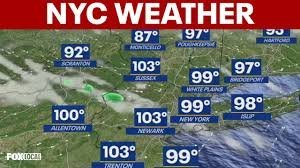
Recent forecasts indicate that temperatures are climbing rapidly. After barely touching 90°F in Central Park, the region is now seeing highs reaching the upper 90s, with some hotspots flirting with the 100°F mark. While a cold front is expected to eventually bring relief, the immediate future remains sticky and warm.
Understanding the Air Quality Index (AQI)
The visibility of the Lower Manhattan skyline has been notably impacted by smoke drifting from the north. According to data from AirNow.gov, the Air Quality Index (AQI) in parts of the city has shifted from Level Red to Level Yellow.
To help you understand what these levels mean for your health, here is a quick breakdown:
- n
- Level Red (Unhealthy): AQI between 151 and 200. At this stage, everyone may begin to experience health effects.
- Level Yellow (Moderate): AQI around 100. The air quality is acceptable, but there may be a risk for some people.
The Source: Canadian Wildfires
The haze isn’t just humidity; it’s the result of massive wildfire outbreaks in Canada. Plumes of smoke have been transported south by wind patterns, impacting the entire New York region. The National Weather Service has been tracking these movements closely.
The NYC Office of Emergency Management is actively monitoring the smoke plumes. While they expect any temporary spikes in fine particulate matter to remain below critical health advisory triggers, they warn that atmospheric conditions can change rapidly.
Who Should Be Cautious?
Even when the air quality improves to “moderate” levels, not everyone is affected the same way. Health experts recommend that sensitive groups take extra precautions. This includes:
- n
- Older adults
- Young children
- Individuals with respiratory issues (such as asthma or COPD)
- People with heart disease
If you are in one of these groups, it is advisable to limit prolonged outdoor exertion during the peak of the heat and haze to avoid respiratory strain.
Staying Prepared
As we look toward the air quality tomorrow and the coming days, staying informed is your best defense. Keep an eye on official weather alerts and utilize real-time AQI maps to plan your commute and outdoor activities safely.



