
Breathing Through the Haze: The Reality of Air Quality in Oakville and Beyond
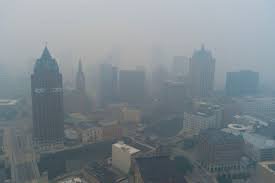
For many residents in Ontario, the sight of a hazy, orange-tinted sky has become an alarming summer occurrence. When we talk about air quality in Oakville, we aren’t just discussing local pollution; we are seeing the direct impact of massive wildfires raging across the province and the country. These fires don’t just stay in the forests—they create thick, choking plumes of smoke that can travel thousands of kilometres, affecting millions of people from the shores of Lake Ontario to the heart of the United States.
The Ripple Effect: From Ontario to the Midwest
The scale of the current wildfire season is staggering. With thousands of fires burning millions of acres across Canada, including several significant blazes in Ontario, the environmental impact is far-reaching. This smoke has recently drifted south, plunging major cities in the US Midwest and Northeast into hazardous conditions.
From Chicago—which recently recorded some of the worst air quality in its history—to Washington, D.C., the consequences are severe:
- n
- Event Cancellations: Professional sports games (including MLB), marathons, and outdoor concerts have been called off.
- Business Disruptions: Theme parks and outdoor venues have been forced to close their doors.
- Daily Life Upended: Schools and summer camps have had to move activities indoors to protect children from noxious air.
The Invisible Danger: What is PM2.5?
Why is wildfire smoke so dangerous? The primary culprit is PM2.5—tiny particulate matter that is 2.5 micrometres or smaller. Because these particles are so minuscule, they can bypass the body’s natural filters, traveling deep into the lungs and even entering the bloodstream.
Exposure to high levels of PM2.5 can lead to:
- Acute respiratory inflammation and bronchitis.
- Aggravation of pre-existing conditions such as asthma, diabetes, and heart disease.
- Severe headaches and stinging eyes.
Vulnerable populations, including children, the elderly, and those experiencing homelessness, are at the highest risk. For these individuals, a “hazy day” can quickly turn into a medical emergency.
How to Protect Yourself and Your Family
When the air quality in Oakville or surrounding regions reaches “unhealthy” levels, taking proactive steps is essential. Here is how you can minimize your health risks:
- Monitor Air Quality Indexes: Keep a close eye on the Environment and Climate Change Canada AQHI to know when it is unsafe to be outdoors.
- Stay Indoors: Keep windows and doors closed. Use air purifiers with HEPA filters to remove particulates from your home.
- Wear the Right Mask: If you must go outside, a standard cloth or surgical mask is insufficient. Use a well-fitted N95 or KN95 respirator to effectively filter out PM2.5 particles.
- Reduce Physical Exertion: Avoid jogging, cycling, or heavy outdoor work during smoke events, as deep breathing increases the amount of pollutants you inhale.
A Warning Sign for the Future
This isn’t just a streak of bad luck; it is a symptom of a warming planet. Climate change, driven by fossil fuel pollution, is creating a “new normal” where wildfire seasons are longer, more intense, and more frequent. What was once an outlier—like the record-breaking 2023 season—is becoming a recurring threat to public health across North America.
As we navigate these challenging summers, staying informed and prepared is our best defense. By prioritizing air quality and supporting climate action, we can work toward a future where the air we breathe is safe for everyone.



