
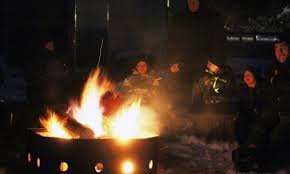
Understanding the Link Between Regional Fire Bans and Air Quality in Kitchener
For residents monitoring air quality in Kitchener and across Southern Ontario, the current weather patterns are a cause for concern. Extreme heat and prolonged dry spells have created a volatile environment, leading municipalities across the province—most notably in the Durham Region—to implement strict fire bans to prevent catastrophic wildfires.
While a fire ban in a neighboring region might seem distant, the reality is that smoke and particulate matter travel. When dry conditions peak, the air quality index (AQI) can fluctuate rapidly, affecting respiratory health for thousands of Canadians from the GTA to the Waterloo Region.
Why Fire Bans Are Now Mandatory in Southern Ontario
The situation in the Durham Region serves as a critical warning. Due to an increased risk of rapid fire spread, several municipalities have instituted zero-tolerance policies regarding open-air burning. Fire officials, including Scugog Fire Chief Mike Matthews, have warned that hot and dry conditions place residents, property, and emergency responders at significant risk.
Key areas currently under strict fire restrictions include:
- Scugog, Brock, and Uxbridge: All types of open-air burning are prohibited, regardless of existing permits.
- Whitby and Oshawa: Existing permits are void, and no new ones are being issued.
- Pickering and Ajax: Strict bans on bonfires, chimineas, and wood-burning appliances.
- Clarington: All recreational and agricultural fires are banned until further notice.
What is Permitted During a Burn Ban?
To ensure safety without completely sacrificing outdoor living, most municipalities allow the use of specific appliances, provided they meet Canadian safety standards. If you are in an affected area, keep the following guidelines in mind:
- Approved Devices: Only use outdoor cooking appliances that are CSA- or ULC-approved.
- Fuel Types: Propane and natural gas barbecues are generally permitted, provided they are used on non-combustible surfaces and kept away from dry vegetation.
- Prohibited Items: Avoid charcoal burners (in some regions), fire pits, burn barrels, and wood-burning fireplaces.
The Impact on Air Quality in Kitchener
When we discuss air quality in Kitchener, we must look at the regional atmospheric conditions. Smoke from uncontrolled fires in surrounding regions can drift, increasing the concentration of fine particulate matter (PM2.5) in the air. This can lead to:
- Increased asthma attacks and respiratory distress.
- Reduced visibility on highways and urban roads.
- General fatigue and irritation of the eyes and throat.
To stay informed about the current status of the air you breathe, it is highly recommended to check the Air Quality Health Index (AQI) Canada for real-time updates and health advisories.
Safety Tips for Residents
To protect your community and your health during this extreme heatwave, follow these essential tips:
- Respect All Bans: Even a small spark can lead to a massive wildfire during a drought.
- Supervise Cooking: Never leave a propane BBQ unattended.
- Stay Indoors: If air quality levels drop, limit strenuous outdoor activity.
- Report Emergencies: Call 9-1-1 immediately if you spot smoke or unauthorized fires in your area.
By adhering to these safety measures and respecting local fire ordinances, we can collectively improve the air quality in Kitchener and ensure the safety of all Ontario residents during these challenging weather conditions.



