Escalating Tensions: Protests in Pakistan Turn Violent After Khamenei’s Death
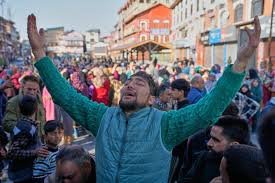
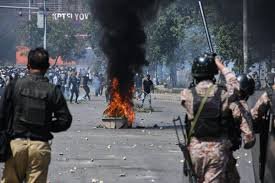
Karachi, Pakistan – A wave of unrest swept across Pakistan on Sunday, triggered by the death of Iranian Supreme Leader Ayatollah Ali Khamenei. Violent clashes between protesters and security forces in Karachi and northern regions of the country resulted in at least 22 fatalities and over 120 injuries, as demonstrators attempted to storm a U.S. Consulate. The situation reflects growing regional instability and heightened tensions following recent attacks on Iran.
Nationwide Demonstrations and Clashes
The protests weren’t limited to Karachi. In the northern Gilgit-Baltistan region, protesters targeted offices of the U.N. Military Observer Group and the U.N. Development Programme (UNDP), resulting in 12 deaths and over 80 injuries. Authorities have since deployed troops to regain control. Simultaneous demonstrations also occurred in Islamabad, Peshawar, Lahore, and Multan, with varying degrees of intensity.
Karachi: A Focal Point of Protest
In Karachi, Pakistan’s largest city, protesters briefly attacked the perimeter of the U.S. Consulate, smashing windows and torching a nearby police post. While reports of the consulate building being set ablaze were dismissed by senior police official Irfan Baloch, the clashes were intense, with protesters throwing stones at law enforcement officials. The Interior Minister, Mohsin Naqvi, appealed for calm, acknowledging the grief felt by Pakistanis but urging peaceful expression of protest.
Government Response and Security Measures
President Asif Ali Zardari expressed “profound sorrow” over Khamenei’s death and extended condolences to Iran, reaffirming Pakistan’s solidarity with the Iranian nation. The government has significantly increased security around U.S. diplomatic facilities across the country to prevent further escalation. The U.S. Embassy in Pakistan issued a statement advising U.S. citizens to monitor local news, avoid large crowds, and update their travel registration.
Regional Implications and International Concerns
The widespread protests highlight the sensitivity of the situation in the Middle East and the potential for regional instability. The attacks on Iran, coupled with the death of its Supreme Leader, have ignited strong reactions across the Muslim world. The unrest in Pakistan underscores the need for diplomatic efforts to de-escalate tensions and prevent further violence. For more information on the geopolitical landscape, consider exploring resources from the Council on Foreign Relations.
Voices from the Ground
Mamoona Sherazi, a protester in Multan, expressed her outrage, stating, “God willing, we will never bow before America and Israel.” This sentiment reflects the strong anti-Western feelings prevalent among some segments of the Pakistani population.
Ongoing Monitoring and Updates
The situation remains fluid, and authorities are closely monitoring developments. Further updates will be provided as they become available. Stay informed by following reputable news sources such as Reuters and The Associated Press.