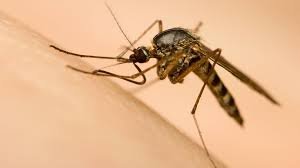
Understanding West Nile Virus: What You Need to Know
As the warmer months arrive in Canada, the buzzing of mosquitoes becomes a common soundtrack to our outdoor activities. While most mosquito bites are merely an annoyance, some can carry the West Nile Virus (WNV), a leading cause of mosquito-borne disease in North America. Understanding how it spreads and how to protect yourself is crucial for a healthy summer.
What Exactly is West Nile Virus?
West Nile Virus is primarily transmitted to humans through the bite of an infected mosquito. These mosquitoes typically become infected after feeding on birds, which serve as the primary reservoir for the virus. While the virus cannot be passed directly from person to person, the risk increases in areas with high mosquito populations and specific bird species.
Recognizing the Symptoms: From Mild to Severe
It is important to note that many people infected with WNV show no symptoms at all. However, when symptoms do occur, they generally fall into two categories:
- n
- Mild Symptoms (West Nile Fever): Most people experience flu-like symptoms, including fever, headache, body aches, joint pains, vomiting, or diarrhea. A skin rash may also develop.
- Severe Neurological Illness: In rare cases (less than 1%), the virus can cause severe illness affecting the brain or spinal cord. This can manifest as encephalitis or meningitis, leading to high fever, stiff neck, disorientation, tremors, or seizures.
If you or a loved one experience severe symptoms, seek medical attention immediately. You can find more detailed clinical information via the World Health Organization (WHO).
How to Prevent West Nile Virus in Your Backyard
Since there is currently no human vaccine for WNV, prevention is your best line of defence. Here are the most effective ways to reduce your risk:
1. Use Effective Repellents
Apply insect repellents containing DEET, Icaridin, or Oil of Lemon Eucalyptus. Ensure you follow the label instructions for safe and effective application, especially when applying to children.
2. Dress for Protection
When hiking or spending time in wooded areas, wear long-sleeved shirts and long pants. Light-colored clothing is recommended as mosquitoes are often more attracted to dark colours.
3. Eliminate Standing Water
Mosquitoes breed in stagnant water. Regularly empty birdbaths, flower pots, clogged gutters, and old tires around your property. Even a small amount of water can become a breeding ground.
4. Secure Your Home
Ensure your window and door screens are intact and free of holes to prevent mosquitoes from entering your living space.
When to Consult a Healthcare Provider
If you live in or have recently visited an area where West Nile Virus is active and you begin feeling unwell, contact your healthcare provider. Be sure to mention your travel history and any mosquito exposure to help with an accurate diagnosis.
For regional updates and specific health advisories in your province, visit the official Government of Canada health portal.
Final Thoughts
While the West Nile Virus can sound alarming, taking simple, proactive steps can significantly lower your risk. By managing your environment and protecting your skin, you can enjoy the beauty of the Canadian outdoors with peace of mind.