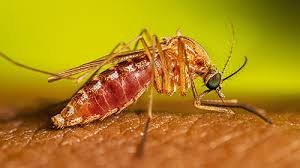
West Nile Virus Alert: Why This Season is Breaking Records and How to Stay Safe
Health authorities are issuing a critical warning as the West Nile virus (WNV) season kicks off with alarming intensity. According to the latest data from the Centers for Disease Control and Prevention (CDC), the United States is experiencing one of the earliest and most aggressive starts to the virus season since 2004.
With an unusual spike in human infections reported as early as June, the risks are higher than they have been in over a decade. Whether you are planning a backyard BBQ or a trip to the wilderness, understanding the threat of this mosquito-borne virus is essential for your health and safety.
The Current Situation: A worrying Trend
The statistics are stark. By the end of June, the CDC reported 48 cases, with a staggering 38 of those being severe neuroinvasive diseases. To put this in perspective, the historical average for this time of year is only about 10 cases.
Currently, 23 states have reported West Nile virus activity—the highest number recorded in the last 10 years. This early circulation suggests that environmental factors are fueling mosquito populations faster than usual, putting more people at risk during the peak of summer.
Recognizing the Symptoms: From Mild to Severe
One of the most challenging aspects of the West Nile virus is that it doesn’t affect everyone the same way. Most people who contract the virus will not experience any symptoms at all. However, for others, the progression can be concerning:
- n
- Mild to Moderate Illness: Approximately 20% of infected individuals develop a fever accompanied by headaches, body aches, joint pain, vomiting, diarrhea, or a rash.
- Severe Neurologic Disease: In less than 1% of cases, the virus leads to severe conditions such as meningitis or encephalitis. These can result in long-term disability or even death.
Who is most at risk? Adults aged 60 and older, as well as individuals with underlying medical conditions, are significantly more susceptible to severe illness.
How to Protect Yourself and Your Loved Ones
As Dr. Erin Staples, a medical epidemiologist at the CDC, emphasizes, “mosquito season is well underway.” The best defense against the virus is preventing the bite in the first place. Here are the most effective precautions you can take:
- n
- Use EPA-Registered Repellents: Apply insect repellents containing DEET, Picaridin, or Oil of Lemon Eucalyptus.
- Dress Strategically: Wear long-sleeved shirts and long pants when spending time outdoors, especially during dawn and dusk when mosquitoes are most active.
- Secure Your Environment: Remove standing water from flowerpots, gutters, and birdbaths where mosquitoes breed.
- Fortify Your Home: Ensure window and door screens are intact to keep pests outside.
Stay Informed and Vigilant
Public health departments are working tirelessly to monitor mosquito populations and implement control measures. However, personal vigilance is the first line of defense. For the most accurate and up-to-date maps and data on virus activity, we highly recommend visiting the official CDC West Nile Virus Data Page.
Don’t let a mosquito bite ruin your summer. Stay protected, stay informed, and prioritize your health.