
West Nile Virus Spreads Across Europe: Record Cases and Essential Prevention Tips
Europe is currently grappling with its most intense West Nile virus season on record. According to recent data from the European Centre for Disease Prevention and Control (ECDC), the virus is expanding its reach, appearing in regions of the continent that were previously unaffected. This surge marks a critical turning point in public health monitoring across the EU.
The Alarming Numbers: A Continent Under Pressure
As of October 7, European Union countries have reported a staggering 1,715 locally acquired human cases of West Nile virus infection—the highest number ever recorded. Tragically, this spike has resulted in 130 deaths. While the severity of individual cases has remained relatively stable over the last decade, the geographical spread is what has health experts concerned.
The virus is moving further north, signaling a shift in ecological patterns. Key highlights include:
- n
- Italy: Remains the hardest-hit nation with 748 reported cases.
- Greece and France: Recorded 445 and 144 cases respectively, marking their highest totals to date.
- Belgium and the Netherlands: Recent detections in both humans and animals show the virus is circulating in northern territories, with Belgium recording its first-ever locally acquired human infections.
Understanding the Transmission Cycle
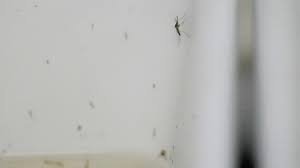
The West Nile virus is a prime example of why a “One Health” approach—integrating human, animal, and environmental health—is vital. The virus doesn’t exist in a vacuum; it circulates in a complex cycle between mosquitoes and birds. When an infected mosquito bites a human or a horse, the virus is transmitted.
“No single sector can address the risk alone,” explains Céline Gossner, a senior expert at the ECDC. This underscores the need for cross-sector cooperation between veterinarians, ecologists, and healthcare providers.
How to Protect Yourself and Your Family
Currently, there is no licensed vaccine for humans. Treatment for those infected is limited to supportive care and symptom management in hospital settings for severe cases. Therefore, prevention is the most effective weapon we have.
To reduce your risk of infection, especially if you live in or are traveling to affected areas, follow these guidelines recommended by the World Health Organization (WHO):
- Use Mosquito Repellent: Apply EPA-approved repellents to exposed skin.
- Dress Appropriately: Wear loose-fitting, long-sleeved shirts and long pants.
- Secure Your Home: Install window screens, use mosquito nets, or keep air conditioning running to keep insects outdoors.
- Eliminate Standing Water: Remove stagnant water from pots and gutters where mosquitoes breed.
Who is most at risk? While anyone can contract the virus, older adults and individuals with weakened immune systems are significantly more likely to develop severe neurological symptoms.
Looking Ahead: The Importance of Preparedness
Predicting the annual occurrence of the West Nile virus is challenging due to its volatility. However, the ECDC emphasizes that earlier detection, increased public awareness, and effective mosquito control are the keys to mitigating the impact as the virus continues to migrate to new areas.
Staying informed and taking proactive steps today can save lives tomorrow. Keep an eye on local health advisories and prioritize protection during peak mosquito seasons.