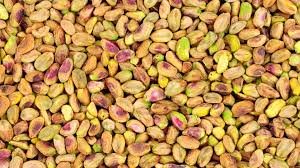
Urgent Alert: Understanding Pistachio Recalls and Protecting Your Family’s Health
In an era where global food supply chains are increasingly complex, staying vigilant about the food we consume is more critical than ever. One area that frequently warrants attention is product recalls, and unfortunately, pistachio recalls have become a recurring concern for consumers in Canada and beyond. These alerts are not just bureaucratic notices; they are vital warnings designed to protect public health from potentially hazardous food items.
Understanding why pistachios might be recalled, what the risks are, and what steps you should take can empower you to safeguard your family’s well-being. This guide will help you navigate the complexities of pistachio recalls and equip you with the knowledge to respond effectively.
What Triggers a Pistachio Recall?
A pistachio recall is a serious measure, initiated when a product poses a potential health risk to consumers. Several factors can lead to such a recall:
- Bacterial Contamination: One of the most common reasons is the presence of harmful bacteria like Salmonella. Consumption of products contaminated with Salmonella can lead to serious and sometimes fatal infections, particularly in young children, frail or elderly people, and others with weakened immune systems.
- Undeclared Allergens: For individuals with severe allergies, the presence of undeclared allergens (such as other nuts, dairy, or soy) in a product can be life-threatening. Even a trace amount can trigger a severe allergic reaction.
- Foreign Material: Occasionally, foreign objects such as pieces of plastic, metal, or glass can find their way into food products during processing, posing choking hazards or causing internal injuries.
- Pesticide Residues: Exceeding permissible levels of pesticide residues can also prompt a recall, as these chemicals can have long-term health implications.
The Health Risks Associated with Contaminated Pistachios
The health risks associated with recalled pistachios vary depending on the contaminant. For instance, ingesting Salmonella-contaminated pistachios can lead to symptoms such as fever, headache, nausea, vomiting, abdominal cramps, and diarrhea. These symptoms can be severe and require medical attention.
For those with allergies, consuming pistachios with undeclared allergens can cause reactions ranging from mild hives and swelling to severe anaphylaxis, a life-threatening condition that requires immediate medical intervention. Awareness and swift action are paramount when a nut recall is issued.
What to Do if You Suspect You Have Recalled Pistachios
If you learn about a pistachio recall, it’s crucial to act quickly and responsibly. Here are the steps you should take:
- Check the Recall Notice: Carefully review the official recall notice. It will specify the brand names, product descriptions, UPC codes, lot numbers, and best-before dates of the affected products. This information is critical for identifying whether your pistachios are part of the recall.
- Do Not Consume: If your product matches the recall information, do not eat it under any circumstances.
- Return or Discard: You should either return the product to the place of purchase for a refund or safely dispose of it in a sealed container to prevent others from consuming it.
- Clean and Sanitize: Wash your hands thoroughly and clean any surfaces, utensils, or containers that may have come into contact with the recalled pistachios. This helps prevent cross-contamination.
- Seek Medical Advice if Necessary: If you or someone in your family has consumed the recalled product and is experiencing symptoms, consult a healthcare professional immediately.
Staying Informed: Your Role in Food Safety
The best defence against foodborne illnesses and hazards is staying informed. In Canada, official recall information is readily available from authoritative sources:
- The Government of Canada’s Recalls and Safety Alerts website is a comprehensive resource for all types of consumer product recalls, including food.
- The Canadian Food Inspection Agency (CFIA) provides specific alerts for food recalls and allergy warnings. Signing up for their email notifications or following their social media channels can ensure you receive timely updates.
Regularly checking these sources is a simple yet effective way to protect yourself and your loved ones from potential harm.
Beyond Pistachios: A Broader Look at Food Safety
While pistachio recalls highlight specific incidents, they also serve as a reminder of the broader importance of general food safety practices. Always check product packaging for signs of tampering, pay attention to best-before dates, and follow proper food handling and storage guidelines. Purchasing from reputable sources and understanding labels are fundamental aspects of maintaining a safe kitchen and diet.
By remaining vigilant and proactive, Canadian consumers can play a crucial role in mitigating the risks associated with food recalls. Your awareness is the first line of defence against food safety hazards, ensuring that the food you bring home is not just delicious, but also safe.