Balancing Readiness and Health: US Military Returns to Flu Vaccine Mandates for Recruits
In a significant policy pivot, all branches of the U.S. military have reinstated the requirement for recruits to receive flu vaccines. This move comes as a critical exception to the previous directive issued by Defense Secretary Pete Hegseth, who had initially sought to make these vaccinations voluntary.
The Catalyst: Outbreak at Lackland Air Force Base
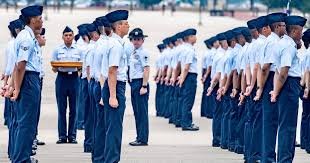
The decision to bring back the mandate was driven by urgent health concerns. Specifically, Lackland Air Force Base in Texas—the epicenter of the Air Force’s Basic Military Training—has been battling a severe flu outbreak. Reports indicate that 275 people were infected in recent weeks, threatening the operational stability of the training program.
To combat the spread, the Air Force has implemented several mitigation strategies, including:
- n
- Close monitoring of trainees exposed to the virus.
- Administration of antiviral medications, such as Tamiflu, for symptomatic individuals.
- Strict health protocols to prevent further transmission within communal living areas.
Policy Shift: From Voluntary to Mandatory
The reinstatement of the mandate marks a sharp turn from Secretary Pete Hegseth’s stance in late April. In a social media announcement, Hegseth argued that mandatory vaccinations were “overly broad and not rational,” moving the annual flu shot to a voluntary status effective immediately.
However, the reality of communal military life proved challenging. By early May, various military departments requested exemptions to maintain mandates for specific groups. These exemptions, granted in early June, primarily target vulnerable populations, healthcare workers, and those living in high-density environments like recruit barracks.
“The decisions were based upon thorough risk assessments and are designed to maximize operational readiness, lethality, and force generation, while safeguarding at-risk populations,” stated Chief Pentagon spokesman Sean Parnell.
A Long History of Military Vaccinations
Vaccination is not a new tool for the U.S. military; it has been a cornerstone of force protection for centuries. Historical data shows that military vaccination programs date back to the leadership of General George Washington during the Revolutionary War.
The flu vaccine specifically has a fluctuating history within the ranks:
- n
- 1945: First mandated for troops.
- 1949: Requirement temporarily lifted.
- 1950s: Reinstated and remained mandatory until the recent policy change.
This trend of managing health through mandates was most recently seen with the COVID-19 vaccine requirements under the Biden administration, which led to significant personnel shifts before being lifted in 2023.
Why Force Readiness Matters
For the Department of Defense, the goal is simple: operational readiness. A flu outbreak in a training center doesn’t just affect individual health; it halts the pipeline of new service members entering the force. By utilizing vaccines, the military ensures that its “warfighters” are fit for duty and capable of meeting national security objectives.
For more information on the importance of seasonal vaccinations, you can visit the Centers for Disease Control and Prevention (CDC) or check official updates from the U.S. Department of Defense.