Bolivia Health Alert: Chikungunya and Dengue Outbreaks Demand Traveler Awareness
Recent reports from the Bolivia Ministry of Health indicate a concerning rise in mosquito-borne illnesses. As of March 7th, the nation has recorded 5,371 cases of Chikungunya, with the majority – a staggering 4,371 – concentrated in the Santa Cruz department. While Santa Cruz has shown a slight downward trend in recent weeks, other regions, notably Beni, have declared a Health Emergency due to simultaneous outbreaks of both dengue and chikungunya. This situation underscores the importance of understanding the risks and taking necessary precautions, especially regarding travel vaccines and preventative measures.
Integrated Response Strategy
The Ministry of Health and Sports, in collaboration with the National Vector-Borne Diseases Program, is actively implementing an Integrated Management strategy. This comprehensive approach combines chemical and biological control methods with a strong emphasis on environmental health. The goal is to curb the spread of these diseases and protect the population.
Key Initiatives in Action:
- Deployment of Experts & Brigades: A dedicated team of 20 experts and 335 brigade members are strategically positioned in affected districts.
- Targeted Intervention in Santa Cruz: Intensive efforts are focused on districts 9 and 10 of Santa Cruz de la Sierra, with over 12,000 homes visited and critical areas like tire shops and healthcare facilities addressed.
- Insecticide & Larvicide Application: 1,300 liters of insecticide have been distributed, alongside the use of biological larvicides applied via backpack sprayers.
- Public Awareness & Community Engagement: Residents are being educated on preventative measures and encouraged to participate in community clean-up initiatives.
Protect Yourself: Prevention is Key
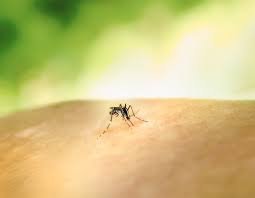
The Ministry of Health emphasizes the crucial role of public participation in controlling the mosquito population. Dense vegetation provides a breeding ground for these vectors, making regular yard maintenance essential. Eliminating weeds and removing standing water are vital steps. Remember the VERTC prevention habits:
- V – Turn Over containers
- E – Remove standing water
- R – Rub down water holding containers
- T – Cover water storage
- C – Scrub containers
These simple actions can significantly reduce mosquito breeding sites around your home and community.
Beyond Chikungunya & Dengue: Ongoing Surveillance
The Ministry isn’t solely focused on Chikungunya and Dengue. Continuous epidemiological surveillance is maintained for Zika, malaria, and leishmaniasis as well. This ensures the availability of necessary medications and free treatment for all affected individuals. For more information on mosquito-borne illnesses and preventative measures, consult the Centers for Disease Control and Prevention (CDC).
Travel Vaccine Considerations
While there is no specific vaccine for Chikungunya or Dengue currently available for widespread use, it’s crucial to consult with your doctor or a travel clinic before traveling to Bolivia. They can advise you on recommended travel vaccines for other diseases prevalent in the region, such as Yellow Fever, and provide guidance on mosquito bite prevention. Consider using insect repellent containing DEET, picaridin, or oil of lemon eucalyptus, wearing long sleeves and pants, and staying in accommodations with air conditioning and screens.
Staying informed and taking proactive steps is the best way to protect your health while traveling.