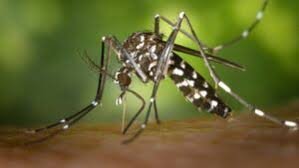
Alert: Asian Tiger Mosquito Detected in Niagara Region
Residents of the Niagara Region are being urged to stay vigilant after public health officials confirmed the presence of an Asian tiger mosquito (Aedes albopictus) in the community. The specimen was identified in Lincoln, Ontario, marking a noteworthy development for local health surveillance.
While the discovery might sound alarming, Niagara Region Public Health has confirmed that the specific mosquito captured tested negative for any mosquito-borne viruses. However, the presence of this species serves as an important reminder of the need for proactive prevention.
Why the Tiger Mosquito is Different
Unlike the common mosquito species typically found across Ontario, the Asian tiger mosquito is known for its distinct and more aggressive behavior. According to Dr. Hamidah Meghani, associate medical officer of health, these mosquitoes are aggressive daytime biters. This means that protection is necessary not just at dusk and dawn, but throughout the entire day whenever you are outdoors.
Although the current risk of complications remains low, this species is biologically capable of transmitting several serious viruses, including:
- West Nile Virus
- Dengue Fever
- Chikungunya
- Zika Virus
How to Protect Your Home and Family
To mitigate the risk and reduce the local mosquito population, health authorities recommend a combination of environmental management and personal protection. Here are the best practices to follow:
1. Eliminate Breeding Grounds
Mosquitoes thrive in stagnant water. To stop them from breeding around your property:
- Empty all containers with standing water (birdbaths, flower pots, old tires).
- Regularly clean your eavestroughs and gutters to ensure water flows freely.
- Check that all window and door screens are securely fitted and free of holes.
2. Personal Protection Measures
When spending time outside, take the following precautions to avoid bites:
- Use Effective Repellents: Opt for insect repellents containing DEET or Icaridin, which are proven to be effective against aggressive species.
- Dress Appropriately: Wear light-coloured, long-sleeved clothing to minimize exposed skin.
For more detailed information on preventing insect-borne illnesses, you can visit the Public Health Agency of Canada website.
Staying Informed
The detection of the tiger mosquito in Lincoln follows a decade-long presence of the species in Windsor, Ontario. By keeping the community informed through rigorous surveillance, public health units aim to ensure that residents can enjoy the outdoors safely while remaining aware of potential biological shifts in the region.